Mechanical Engineering
Department Overview
The Department of Mechanical Engineering is one of the core branches of engineering, focusing on the design, analysis, manufacturing, and maintenance of mechanical systems. The department is committed to providing quality education, fostering innovation, and developing skilled engineers to meet industrial and societal needs.
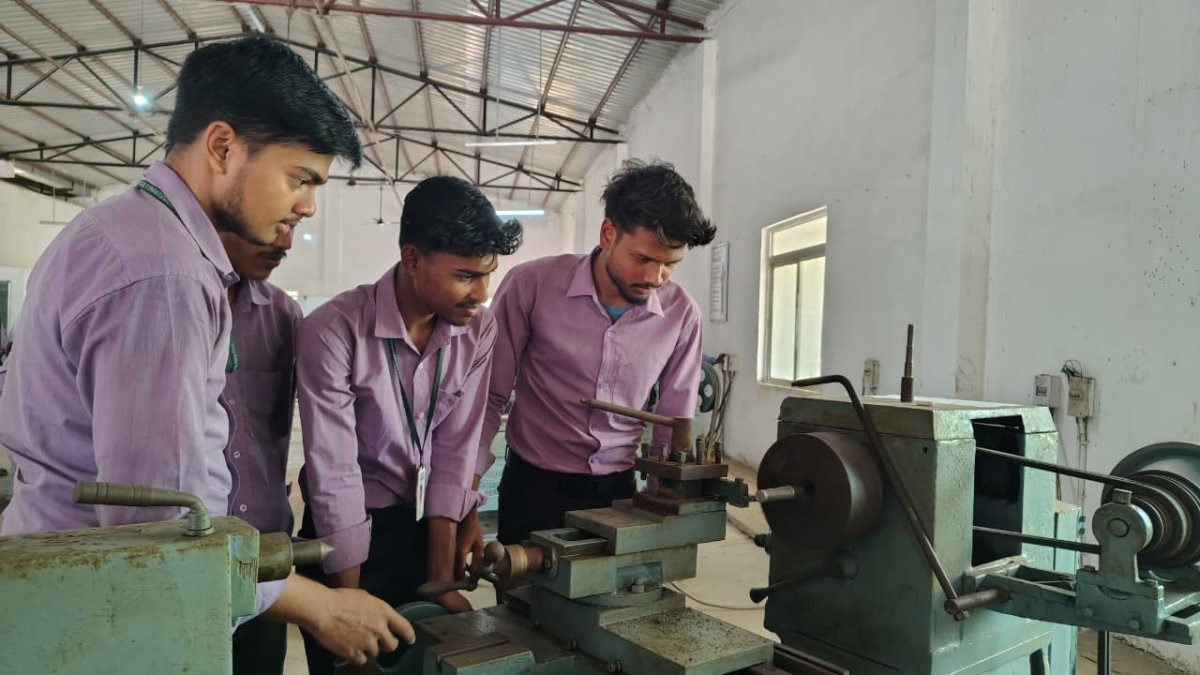
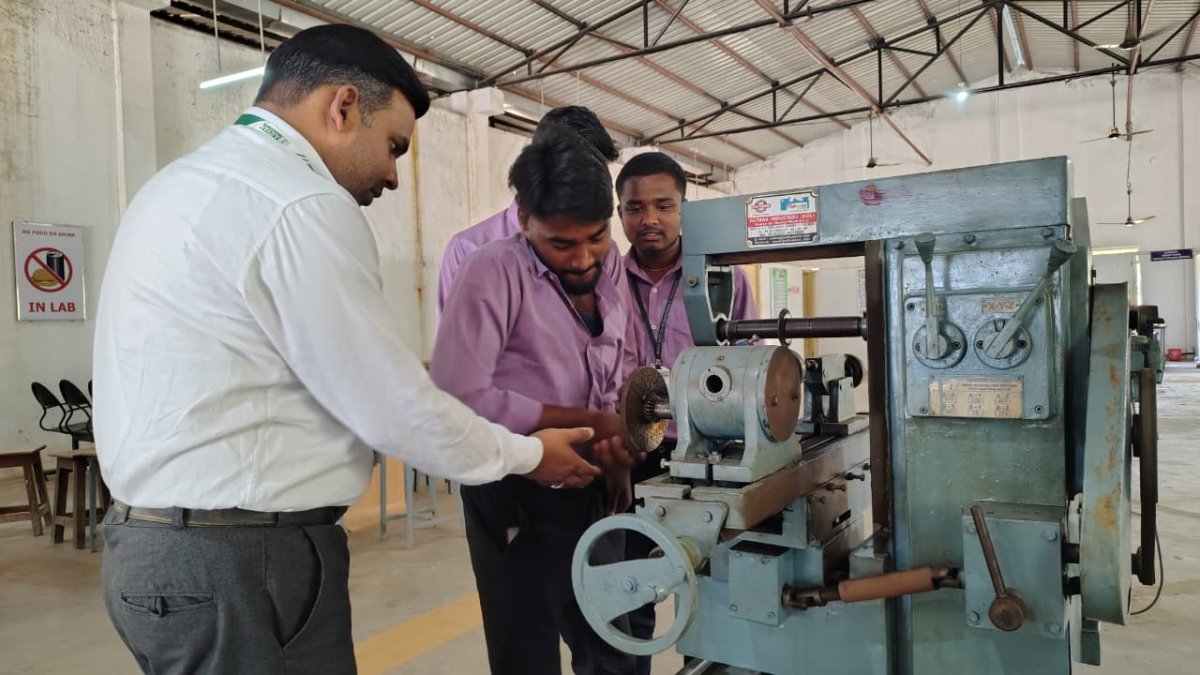
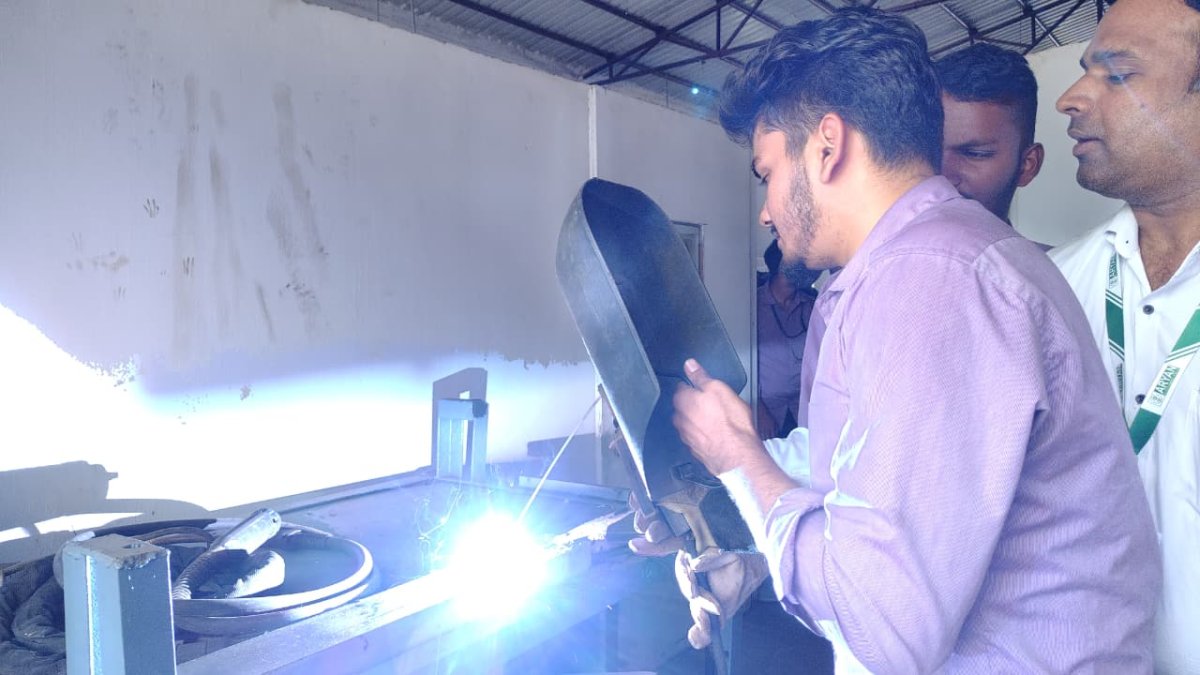
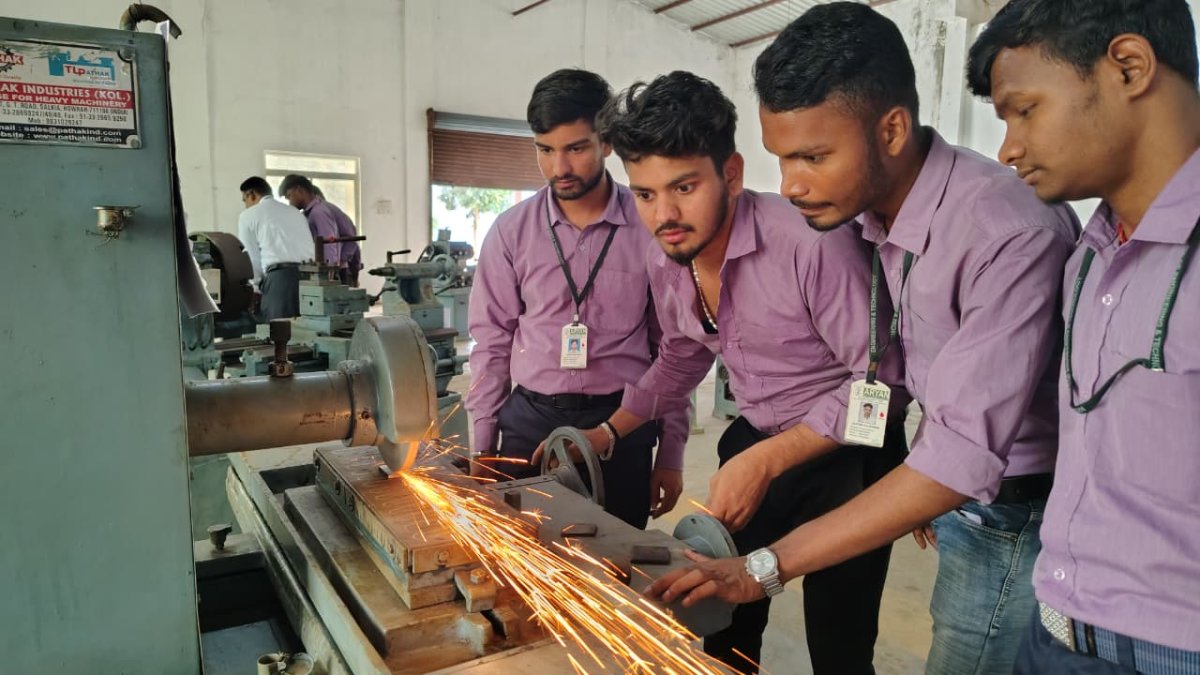
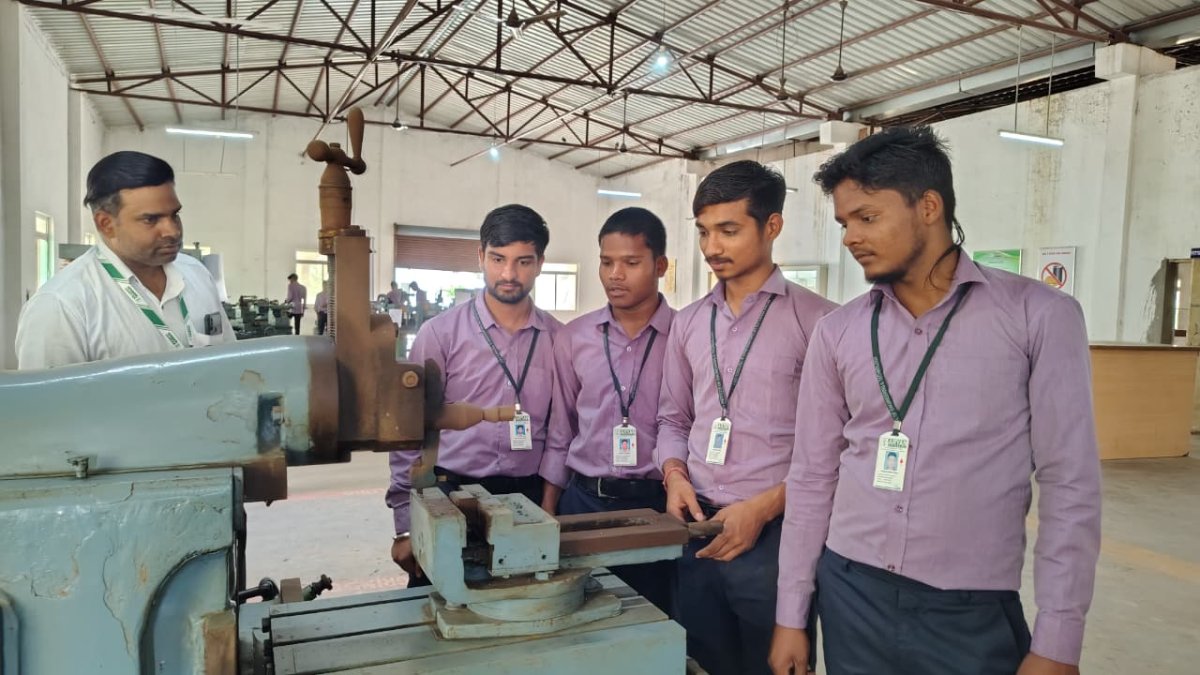
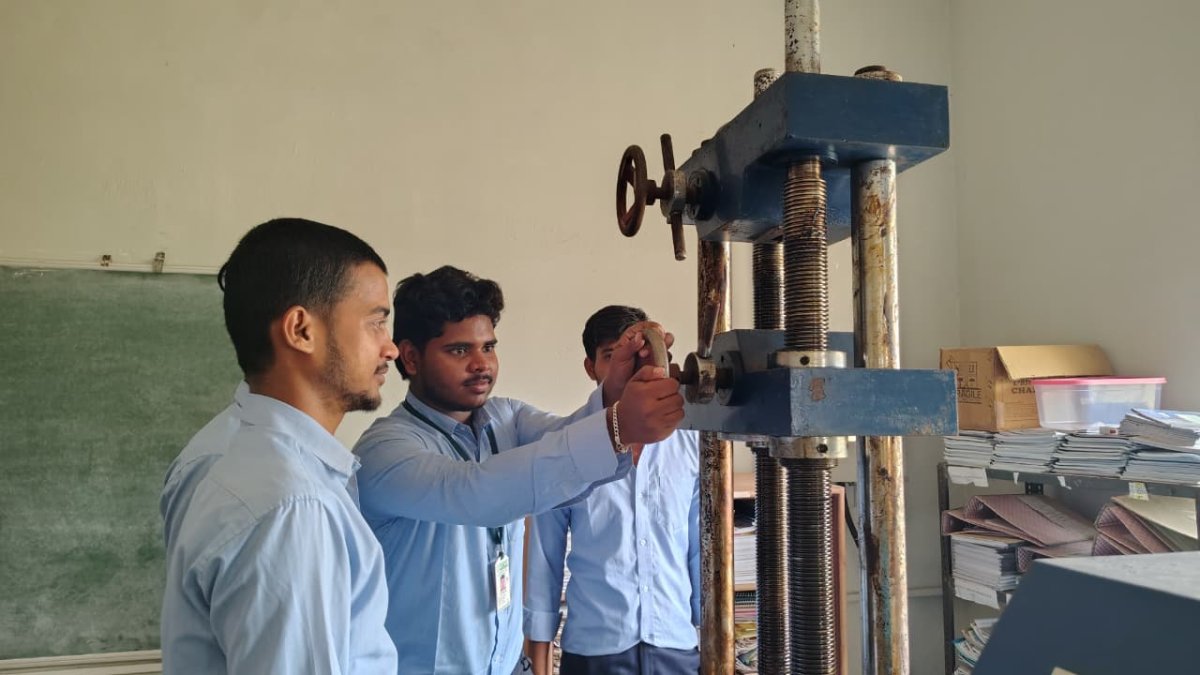
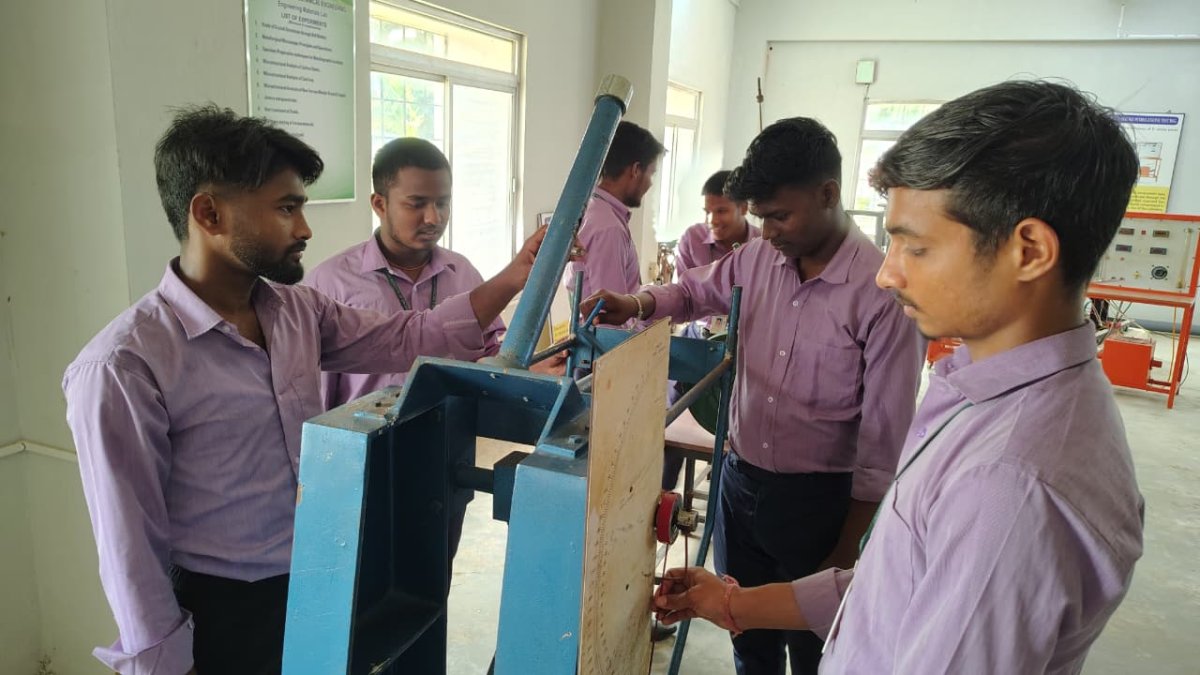
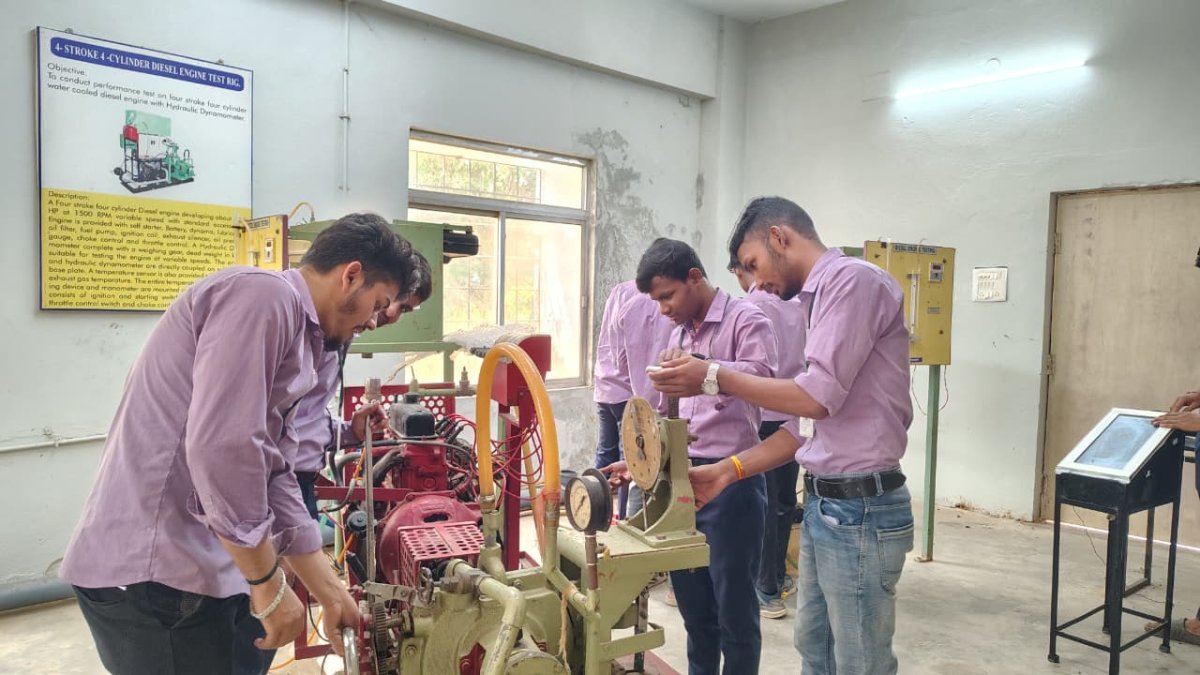
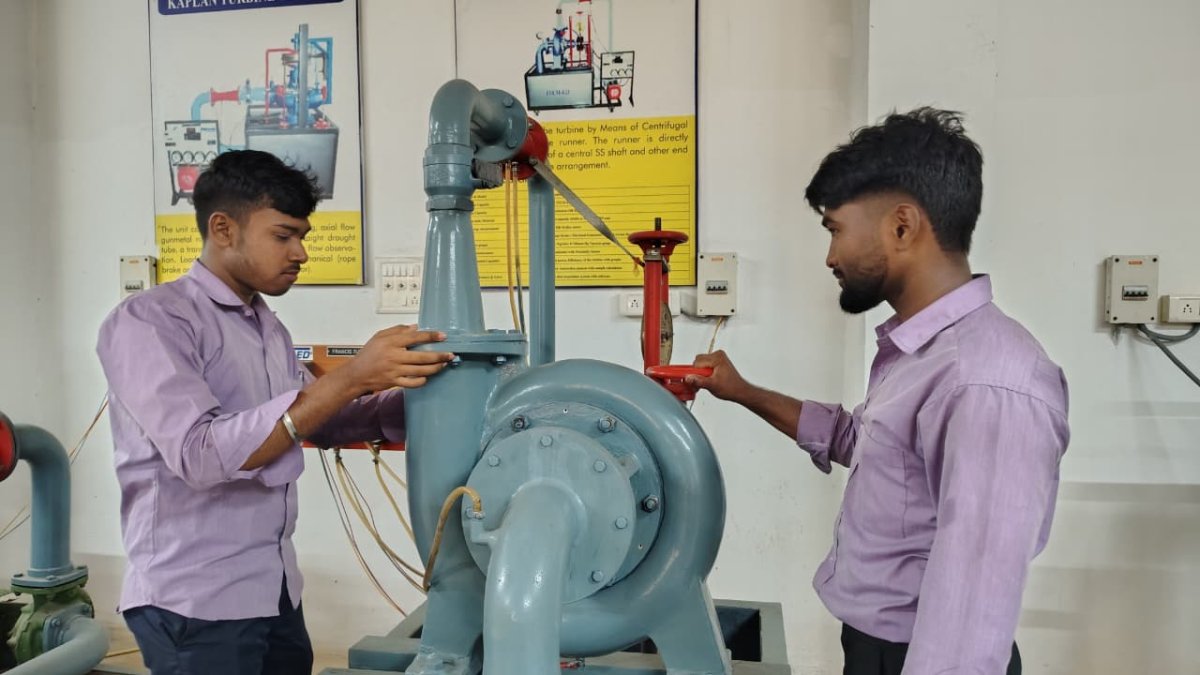
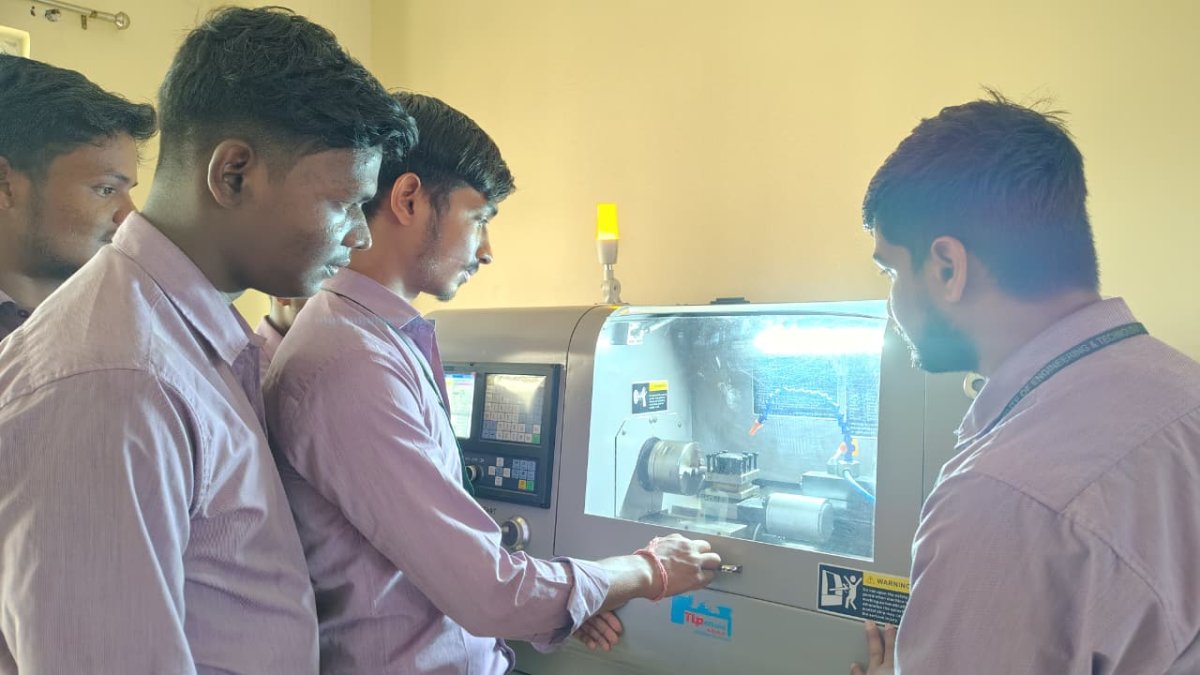
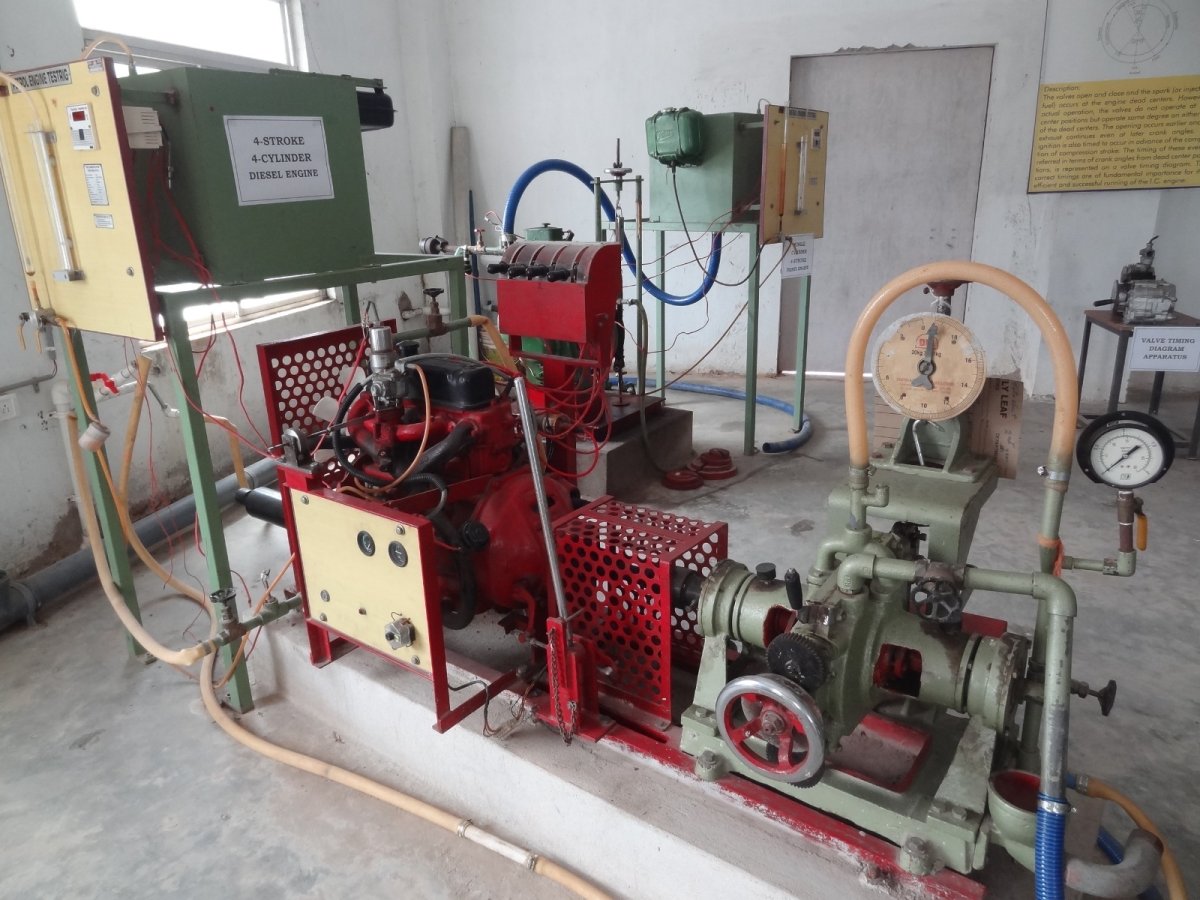
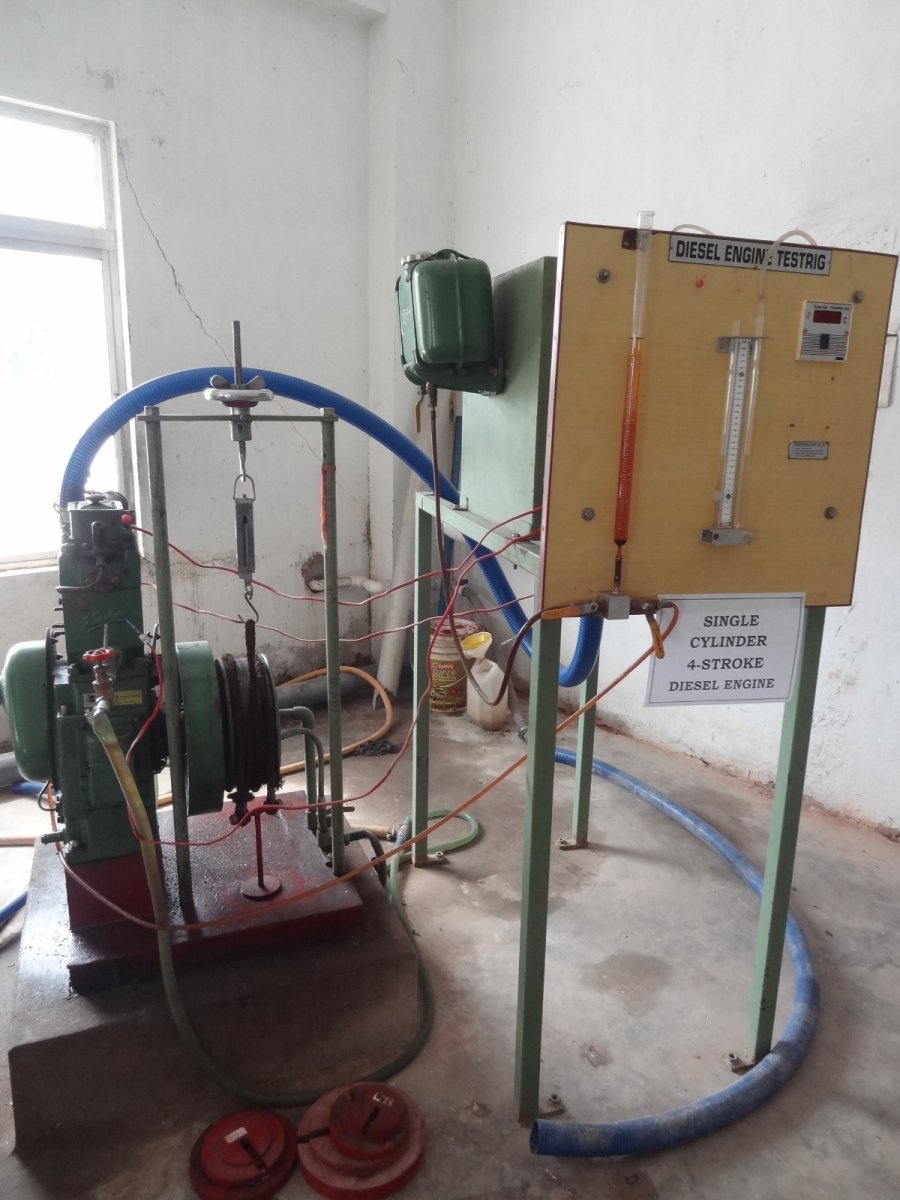
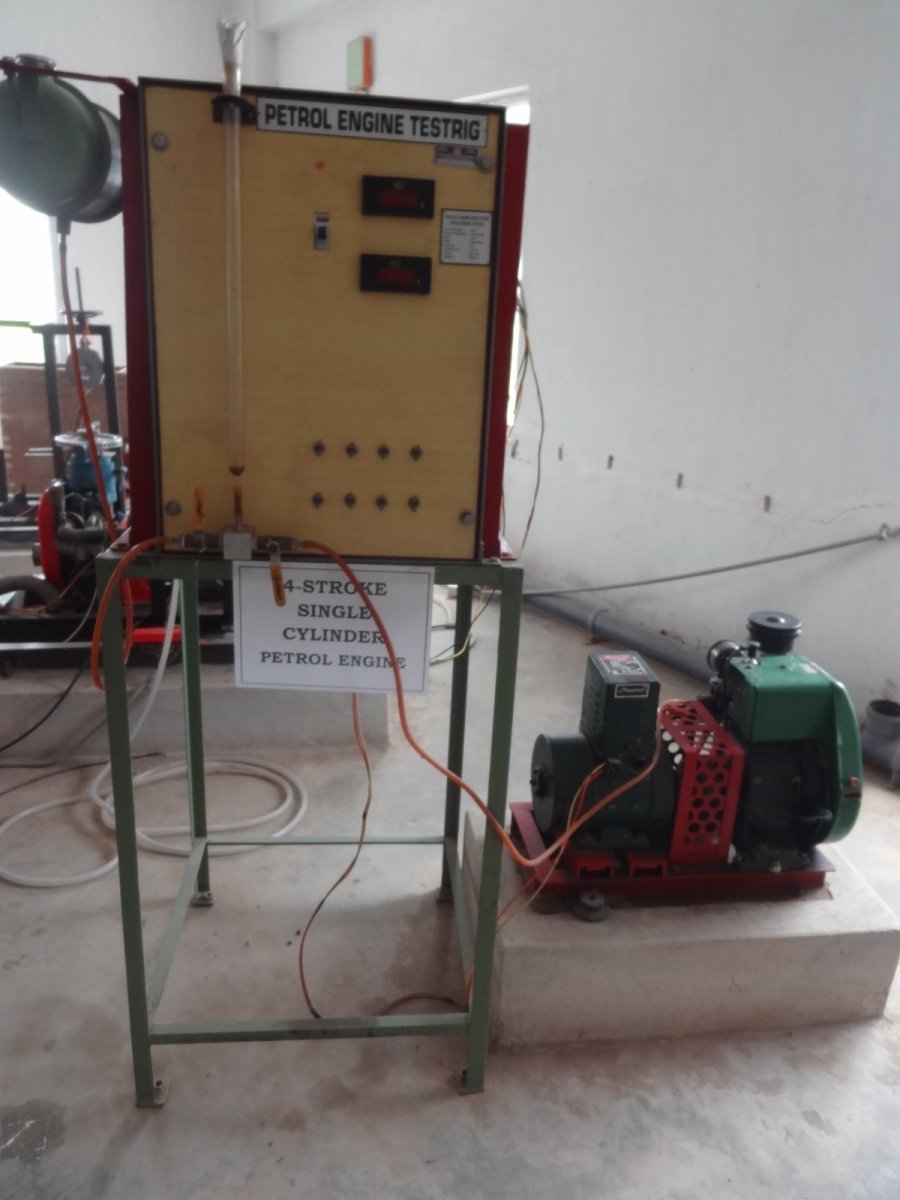
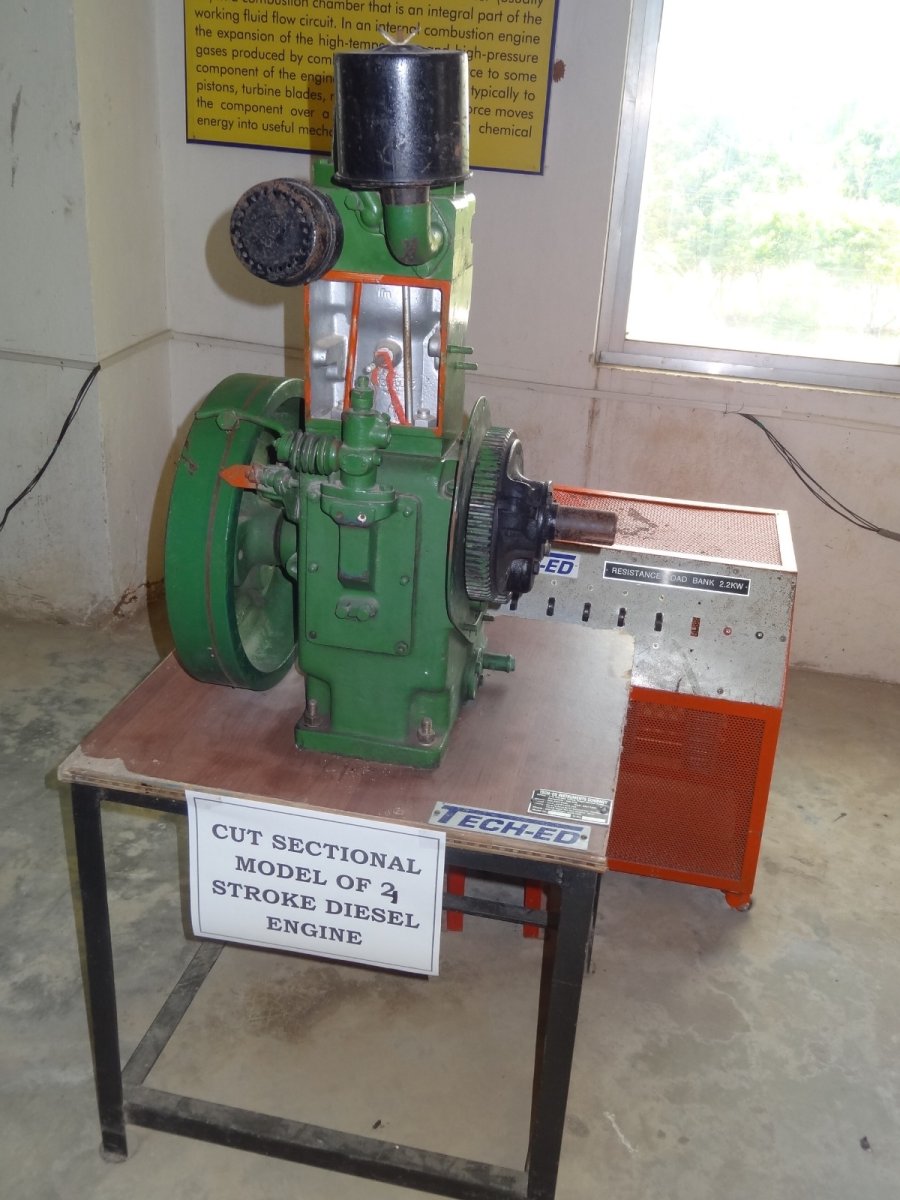
The Department became operational in the year 2009. AIET, one of the engineering colleges in Bhubaneswar, offers courses like B. Tech, M. Tech & Diploma as per guide lines of AICTE, BPUT and SCTE & VT, Government of Odisha. The department offers a well-structured curriculum covering key areas such as Thermodynamics, Fluid Mechanics, Manufacturing Processes, Machine Design, Heat Transfer, and Mechatronics. It is supported by well-equipped laboratories including Thermal Engineering Lab, Fluid Mechanics Lab, Strength of Materials Lab, CAD/CAM Lab, and Workshop & Digital Manufacturing Lab, enabling students to gain practical knowledge and hands-on experience.
The faculty members are qualified, experienced, and dedicated to teaching, research, and continuous improvement. The department emphasizes outcome-based education (OBE), industry interaction, internships, and project-based learning to enhance students’ technical and professional skills.
Students are encouraged to participate in seminars, workshops, industrial visits, and extracurricular activities to develop leadership, teamwork, and communication skills. The department also promotes research and innovation in emerging areas such as renewable energy, automation, and advanced manufacturing.
Graduates from the department are well-prepared for careers in industries, higher studies, entrepreneurship, and public services, contributing effectively to technological advancement and societal development.
HOD Message
It gives me great pleasure to welcome you to the Department of Mechanical Engineering. Mechanical Engineering is a core discipline that plays a vital role in the development of industries and society through innovation, design, and manufacturing.
Our department is committed to providing quality education through a well-balanced curriculum that integrates theoretical knowledge with practical exposure. We have well-equipped laboratories, experienced faculty members, and a student-centric learning environment that encourages creativity, critical thinking, and problem-solving skills.
We focus on Outcome-Based Education (OBE) in line with NBA requirements, ensuring that our graduates are technically competent, ethically responsible, and industry-ready. Regular workshops, seminars, industrial visits, and project-based learning activities are conducted to bridge the gap between academia and industry.
We also motivate students to engage in research, innovation, and lifelong learning to meet the challenges of rapidly evolving technologies. Our aim is to produce skilled engineers who can contribute effectively to society and excel in their professional careers.
I invite you to explore the opportunities in our department and be a part of this journey towards excellence.
With Warm Regards,
Head of the Department
Mechanical Engineering
Vision of the Department
To establish a cherished mechanical engineering program in the state of Odisha by imparting and focusing on practical and project-based learning at affordable costs to generate skilled mechanical engineers with an ethical and sustainable development eco-system approach to serve society at large.
Mission of the Department
- M1: To impart the changing and up-to-date mechanical knowledge to students.
- M2: To become a leader in the field of Mechanical Engineering by acquiring and disseminating knowledge, using the best method of teaching.
- M3: To develop linkages with Industrial and Research organizations, Enterprises in India, for Industry-oriented projects to apply theoretical knowledge to practical problems.
- M4: To guide the students to self-motivated Entrepreneurship ambitions with confidence and responsibility.
- M5: To inculcate professional and socio-economic ethics among mechanical students.
Program Educational Objectives (PEOs)
- PEO1: Professional Competence: Graduates will apply fundamental knowledge of mechanical engineering to solve real-world engineering problems and pursue successful careers in industry, higher education, or research.
- PEO2: Innovation and Lifelong Learning: Graduates will engage in lifelong learning, adapt to emerging technologies, and demonstrate innovation and creativity in engineering practices.
- PEO3: Ethics and Social Responsibility: Graduates will exhibit professional ethics, effective communication, teamwork, and contribute responsibly to society with awareness of environmental and sustainability issues.
Program Specific Outcomes (PSOs)
- PSO1: Apply the knowledge of mathematics, science, and mechanical engineering fundamentals to analyze and solve complex problems related to design, thermal, and manufacturing systems.
- PSO2: Design and develop mechanical components and systems using modern engineering tools, simulation techniques, and experimental methods to meet functional, safety, and sustainability requirements.
- PSO3: Demonstrate professional competence through effective communication, teamwork, ethical practices, and lifelong learning while addressing industrial and societal needs.
Knowledge and Attitude Profile (WK)
- WK1: A systematic, theory-based understanding of the natural sciences applicable to the discipline and awareness of relevant social sciences.
- WK2: Conceptually-based mathematics, numerical analysis, data analysis, statistics and formal aspects of computer and information science to support detailed analysis and modelling applicable to the discipline.
- WK3: A systematic, theory-based formulation of engineering fundamentals required in the engineering discipline.
- WK4: Engineering specialist knowledge that provides theoretical frameworks and bodies of knowledge for the accepted practice areas in the engineering discipline; much is at the forefront of the discipline.
- WK5: Knowledge, including efficient resource use, environmental impacts, whole-life cost, re use of resources, net zero carbon, and similar concepts, that supports engineering design and operations in a practice area.
- WK6: Knowledge of engineering practice (technology) in the practice areas in the engineering discipline.
- WK7: Knowledge of the role of engineering in society and identified issues in engineering practice in the discipline, such as the professional responsibility of an engineer to public safety and sustainable development.
- WK8: Engagement with selected knowledge in the current research literature of the discipline, awareness of the power of critical thinking and creative approaches to evaluate emerging issues.
- WK9: Ethics, inclusive behavior and conduct. Knowledge of professional ethics, responsibilities, and norms of engineering practice. Awareness of the need for diversity by reason of ethnicity, gender, age, physical ability etc. with mutual understanding and respect, and of inclusive attitudes.
Program Outcomes (POs)
- PO1 - Engineering Knowledge: Apply knowledge of mathematics, natural science, computing, engineering fundamentals and an engineering specialization as specified in WK1 to WK4 respectively to develop to the solution of complex engineering problems.
- PO2 - Problem Analysis: Identify, formulate, review research literature and analyze complex engineering problems reaching substantiated conclusions with consideration for sustainable development. (WK1 to WK4)
- PO3 - Design/Development of Solutions: Design creative solutions for complex engineering problems and design/develop systems/components/processes to meet identified needs with consideration for the public health and safety, whole-life cost, net zero carbon, culture, society and environment as required. (WK5)
- PO4 - Conduct Investigations of Complex Problems: Conduct investigations of complex engineering problems using research-based knowledge including design of experiments, modelling, analysis & interpretation of data to provide valid conclusions. (WK8)
- PO5 - Engineering Tool Usage: Create, select and apply appropriate techniques, resources and modern engineering & IT tools, including prediction and modelling recognizing their limitations to solve complex engineering problems. (WK2 and WK6)
- PO6 - The Engineer and The World: Analyze and evaluate societal and environmental aspects while solving complex engineering problems for its impact on sustainability with reference to economy, health, safety, legal framework, culture and environment. (WK1, WK5, and WK7)
- PO7 - Ethics: Apply ethical principles and commit to professional ethics, human values, diversity and inclusion; adhere to national & international laws. (WK9)
- PO8 - Individual and Collaborative Team work: Function effectively as an individual, and as a member or leader in diverse/multi-disciplinary teams.
- PO9 - Communication: Communicate effectively and inclusively within the engineering community and society at large, such as being able to comprehend and write effective reports and design documentation, make effective presentations considering cultural, language, and learning differences.
- PO10 - Project Management and Finance: Apply knowledge and understanding of engineering management principles and economic decision-making and apply these to one’s own work, as a member and leader in a team, and to manage projects and in multidisciplinary environments.
- PO11 - Life-Long Learning: Recognize the need for, and have the preparation and ability for i) independent and life-long learning ii) adaptability to new and emerging technologies and iii) critical thinking in the broadest context of technological change. (WK8)
Course Outcomes (COs) by Semester
6th Semester
MEPC3004 IC Engines & Gas Turbines
| CO | Course Outcome Statement | BTL |
|---|---|---|
| CO1 | Explain the working principles and classifications of IC engines and gas turbines. | 2 |
| CO2 | Analyze combustion processes, fuel systems, and engine operation parameters. | 4 |
| CO3 | Evaluate performance metrics such as power, efficiency, and fuel consumption. | 5 |
| CO4 | Understand gas turbine cycles and component design principles. | 2 |
| CO5 | Identify emission control strategies and modern technological advancements. | 4 |
| CO6 | Apply thermodynamic and fluid-flow principles to engine and turbine performance. | 3 |
MEPC3005 Mechanical Vibration
| CO | Course Outcome Statement | BTL |
|---|---|---|
| CO1 | Apply the fundamental concepts of vibration to model and analyze single degree of freedom (SDOF) systems and determine their natural frequencies. | 3 |
| CO2 | Analyze undamped and damped free vibration systems using mathematical methods and evaluate system response parameters such as damping ratio and logarithmic decrement. | 4 |
| CO3 | Analyze forced vibration systems under harmonic excitation and evaluate resonance characteristics and system response using analytical methods. | 4 |
| CO4 | Apply vibration control techniques such as isolation, damping, and absorbers to minimize the effects of vibration in mechanical systems. | 3 |
| CO5 | Analyze multi-degree of freedom (MDOF) vibration systems using matrix methods and numerical techniques. | 4 |
| CO6 | Analyze vibration behavior of continuous systems such as strings, rods, and beams using appropriate theoretical models. | 4 |
MEPE3006 Power Plant Engineering
| CO | Course Outcome Statement | BTL |
|---|---|---|
| CO1 | Explain the principles and operation of vapor power cycles including Carnot, Rankine, Reheat, Regenerative, and Combined Cycles used in thermal power plants. | 2 |
| CO2 | Describe the construction, working, and performance characteristics of steam generators, boilers, fluidized bed combustion systems, and combined cycle power plants. | 2 |
| CO3 | Analyze the flow of steam through nozzles and explain the concepts of nozzle efficiency and supersaturated steam expansion. | 4 |
| CO4 | Explain the construction, working, performance, governing, and control of impulse and reaction steam turbines, including turbine efficiencies and energy losses. | 2 |
| CO5 | Describe the operation and performance of condensers, cooling towers, circulating water systems, and evaluate condenser and vacuum efficiencies. | 2 |
| CO6 | Explain the layout, components, operation, applications, and performance of diesel, nuclear, and hydroelectric power plants, including their major systems and components. | 2 |
MEPE3014 Automobile Engineering
| CO | Course Outcome Statement | BTL |
|---|---|---|
| CO1 | Explain the classification, layout, and subsystems of automobiles, and describe the construction and working of engine components and multi-cylinder engines. | 2 |
| CO2 | Analyze fuel supply systems for petrol and diesel engines, including MPFI and CRDI, and evaluate the performance of cooling and lubrication systems with troubleshooting methods. | 4 |
| CO3 | Apply the principles of transmission systems to analyze the working and performance of clutches, gearboxes, propeller shafts, and differentials. | 3 |
| CO4 | Evaluate braking, steering, and suspension systems, including fault diagnosis, maintenance practices, and vehicle stability considerations. | 5 |
| CO5 | Analyze ignition systems and starting mechanisms, and assess their effects on engine performance and efficiency. | 4 |
| CO6 | Explain the fundamentals of electric and hybrid vehicles, including battery technologies, fuel cells, and their environmental impact and applications. | 2 |
5th Semester
MEPC3001 Design of Machine Element II
| CO | Course Outcome Statement | BTL |
|---|---|---|
| CO1 | Explain the theories of failure, fatigue behavior of materials, endurance limit, S–N curve, and fatigue design criteria used in machine element design. | 2 |
| CO2 | Apply Goodman, Gerber, and Soderberg criteria to analyze machine components subjected to fluctuating and cyclic loading conditions. | 3 |
| CO3 | Design engine components such as cylinders, pistons, connecting rods, flywheels, crankshafts, and valves based on strength and service requirements. | 3 |
| CO4 | Analyze and design friction clutches, centrifugal clutches, and braking systems considering torque transmission and energy dissipation requirements. | 4 |
| CO5 | Design belt, rope, and chain drive systems by evaluating power transmission capacity, efficiency, and operating conditions. | 3 |
| CO6 | Design spur, helical, bevel, and worm gear drives considering strength, wear, reliability, and performance requirements. | 3 |
MEPC3002 Heat Transfer
| CO | Course Outcome Statement | BTL |
|---|---|---|
| CO1 | Explain the modes of heat transfer, thermal properties, thermal resistance concepts, and governing laws of conduction, convection, and radiation heat transfer. | 2 |
| CO2 | Analyze one-dimensional and two-dimensional steady and transient heat conduction problems in plane walls, cylinders, spheres, and extended surfaces. | 4 |
| CO3 | Apply the principles of convective heat transfer and dimensional analysis to evaluate heat transfer characteristics in internal and external flows under forced and natural convection conditions. | 3 |
| CO4 | Analyze radiative heat exchange between black and gray surfaces using radiation laws, shape factors, and radiation shields. | 4 |
| CO5 | Evaluate heat transfer during boiling and condensation processes using empirical correlations and critical heat flux concepts. | 5 |
| CO6 | Analyze the performance of heat exchangers using LMTD and NTU methods considering overall heat transfer coefficient and fouling factors. | 4 |
MEPE3003 Metal Cutting & Machining
| CO | Course Outcome Statement | BTL |
|---|---|---|
| CO1 | Apply the fundamentals of metal cutting, tool geometry, and chip formation to analyze machining processes. | 3 |
| CO2 | Analyze cutting forces, tool wear, temperature effects, and cutting fluid performance in machining operations. | 4 |
| CO3 | Evaluate machinability, tool life, and machining economics using analytical models such as Taylor’s tool life equation. | 5 |
| CO4 | Apply principles of conventional machining processes and identify appropriate machine tools for specific operations. | 3 |
| CO5 | Analyze tool holding, job holding methods, CNC machines, and production machine tools for manufacturing applications. | 4 |
| CO6 | Evaluate non-traditional machining processes and select appropriate techniques based on material and process requirements. | 5 |
MEPE3004 Refrigeration and Air conditioning
| CO | Course Outcome Statement | BTL |
|---|---|---|
| CO1 | Explain the principles of air refrigeration systems, reversed Carnot cycle, Bell-Coleman cycle, and evaluate the performance of refrigeration systems using COP. | 2 |
| CO2 | Analyze vapour compression refrigeration systems, including simple, sub-cooled, superheated, multistage, and multi-evaporator cycles using thermodynamic diagrams and performance parameters. | 4 |
| CO3 | Explain the working principles and performance characteristics of vapour absorption refrigeration systems, thermoelectric refrigeration systems, and various refrigerants used in practice. | 2 |
| CO4 | Apply psychometric principles to determine the properties of moist air and analyze heating, cooling, humidification, dehumidification, and air-mixing processes using psychometric charts. | 3 |
| CO5 | Analyze human comfort requirements and evaluate the factors affecting comfort air conditioning and indoor environmental conditions. | 4 |
| CO6 | Design and evaluate summer, winter, and year-round air-conditioning systems and perform basic cooling load calculations for practical applications. | 5 |
MCMC3002 Industrial Safety Engineering
| CO | Course Outcome Statement | BTL |
|---|---|---|
| CO1 | Explain industrial safety concepts, accident causes, hazard identification methods, fire prevention techniques, safety regulations, and provisions of the Factories Act, 1948. | 2 |
| CO2 | Describe the principles of maintenance engineering, functions of maintenance departments, types of maintenance, maintenance tools, and equipment replacement considerations. | 2 |
| CO3 | Analyze wear and corrosion mechanisms in industrial equipment and recommend suitable lubrication and corrosion prevention techniques for improved equipment life. | 4 |
| CO4 | Apply fault-tracing techniques and decision-tree methods to identify and diagnose faults in mechanical, thermal, hydraulic, pneumatic, and electrical systems. | 3 |
| CO5 | Analyze periodic inspection, overhauling, troubleshooting, and repair procedures for industrial mechanical and electrical equipment. | 4 |
| CO6 | Evaluate maintenance strategies to enhance equipment reliability, safety, and operational efficiency. | 5 |
4th Semester
MEPC2003 Fluid Mechanics & Hydraulic Machines
| CO | Course Outcome Statement | BTL |
|---|---|---|
| CO1 | Understand the fundamental concepts of fluid mechanics and explain the properties and classification of fluids. | 2 |
| CO2 | Analyze fluid statics problems involving pressure measurement, hydrostatic forces, buoyancy, and stability of floating bodies. | 4 |
| CO3 | Apply principles of fluid kinematics to classify fluid flow, compute Reynolds number, and solve continuity equation problems. | 3 |
| CO4 | Apply Bernoulli’s equation and energy principles to solve problems related to flow measurement devices and pipe flow systems. | 3 |
| CO5 | Analyze the performance of hydraulic turbines and analyze the impact of jets on different surfaces. | 4 |
| CO6 | Analyze and compare the working principles and performance characteristics of centrifugal and reciprocating pumps. | 4 |
MEPC2004 Kinematics and Dynamics of Machines
| CO | Course Outcome Statement | BTL |
|---|---|---|
| CO1 | Apply fundamental concepts of kinematics to analyze mechanisms, kinematic pairs, and degrees of freedom of planar mechanisms. | 3 |
| CO2 | Analyze position, velocity, and acceleration of mechanisms using graphical and analytical methods including instantaneous center approach. | 4 |
| CO3 | Analyze gear systems and gear trains to determine velocity ratios and force transmission characteristics. | 4 |
| CO4 | Evaluate performance of flywheels and governors using turning moment diagrams and control principles. | 5 |
| CO5 | Analyze the effect of friction in mechanical elements such as clutches, brakes, bearings, and belt drives. | 4 |
| CO6 | Apply principles of balancing to rotating masses and linkages to minimize vibration and dynamic effects. | 3 |
MEPC2005 Design of Machine Elements I
| CO | Course Outcome Statement | BTL |
|---|---|---|
| CO1 | Explain the engineering design process, standardization, interchangeability, fits and tolerances, factor of safety, and criteria for selection of engineering materials for machine components. | 2 |
| CO2 | Design riveted, welded, threaded, boiler, cotter, and knuckle joints subjected to different loading conditions using standard design procedures. | 3 |
| CO3 | Design keys, pins, shafts, and rigid or flexible couplings based on strength, rigidity, fluctuating loads, and relevant design codes. | 3 |
| CO4 | Analyze the behavior of mechanical springs and design helical and leaf springs considering surge, buckling, end conditions, and nipping effects. | 4 |
| CO5 | Analyze the performance requirements of rolling contact and sliding contact bearings using load ratings, bearing life, and operating conditions. | 4 |
| CO6 | Select and evaluate suitable machine elements and engineering materials for mechanical systems considering strength, reliability, manufacturability, and service requirements. | 5 |
MEPC2006 Basic Manufacturing Processes
| CO | Course Outcome Statement | BTL |
|---|---|---|
| CO1 | Explain fundamental manufacturing processes including casting, welding, and metal forming techniques. | 2 |
| CO2 | Apply principles of metal casting to design patterns, moulds, and gating systems and identify casting defects. | 3 |
| CO3 | Analyze welding processes and evaluate weldability, process parameters, and inspection methods. | 4 |
| CO4 | Apply principles of metal forming processes such as rolling, forging, and extrusion to industrial applications. | 3 |
| CO5 | Analyze sheet metal operations and advanced forming processes used in manufacturing industries. | 4 |
| CO6 | Select appropriate manufacturing processes considering material properties, process capability, and quality requirements. | 5 |
3rd Semester
MEPC2001 Mechanics of Solids
| CO | Course Outcome Statement | BTL |
|---|---|---|
| CO1 | Explain the concepts of stress, strain, elastic constants, stress–strain behavior of materials, and material testing methods used in engineering applications. | 2 |
| CO2 | Analyze axial loading, composite bars, thermal stresses, and two-dimensional stress–strain problems using principal stress theory and Mohr’s circle. | 4 |
| CO3 | Determine stresses in thin cylinders and thin spherical shells subjected to internal pressure. | 3 |
| CO4 | Analyze statically determinate beams for support reactions, shear force, bending moment, bending stress, shear stress, and beam deflection under different loading conditions. | 4 |
| CO5 | Evaluate torsional behavior and strength of solid and hollow circular shafts under pure torsion and combined bending and twisting conditions, including analysis of helical springs. | 5 |
| CO6 | Analyze the buckling and stability of columns under axial and eccentric loading using Euler’s column theory and related concepts. | 4 |
MEPC2002 Engineering Thermodynamics
| CO | Course Outcome Statement | BTL |
|---|---|---|
| CO1 | Explain the principles of first law and second law of thermodynamics for closed and open systems, including entropy generation and entropy balance. | 2 |
| CO2 | Analyze availability, irreversibility, exergy balance, and second law efficiency for thermodynamic systems and processes. | 4 |
| CO3 | Analyze the performance of vapor power cycles such as Carnot, Rankine, reheat, regenerative, and cogeneration cycles. | 4 |
| CO4 | Apply thermodynamic property relations including Maxwell relations, Clapeyron equation, TdS relations, and Joule–Thomson coefficient in engineering analysis. | 3 |
| CO5 | Analyze the performance and efficiency of air standard gas power cycles including Otto, Diesel, Dual combustion, and Brayton cycles. | 4 |
| CO6 | Evaluate the performance of reciprocating air compressors considering clearance volume, volumetric efficiency, multistage compression, and intercooling. | 5 |
MFPC2002 Introduction to Physical Metallurgy and Engineering Materials
| CO | Course Outcome Statement | BTL |
|---|---|---|
| CO1 | Explain the fundamental concepts of material science, crystal structures, crystallization mechanisms, crystal defects, and strengthening methods of engineering materials. | 2 |
| CO2 | Analyze the behavior of alloys, solid solutions, phase transformations, and interpret binary phase diagrams including the iron-carbon equilibrium diagram using phase rules and lever rule. | 4 |
| CO3 | Apply heat treatment processes such as annealing, normalizing, and hardening to modify the microstructure and properties of steels for engineering applications. | 3 |
| CO4 | Analyze Time-Temperature-Transformation (TTT) diagrams, cooling curves, tempering processes, and surface hardening techniques used in steel treatment. | 4 |
| CO5 | Explain the classification, composition, properties, and designation of ferrous and non-ferrous engineering materials used in manufacturing industries. | 2 |
| CO6 | Select suitable engineering materials including steels, cast irons, plastics, ceramics, and composites based on application requirements and material properties. | 5 |
Faculty Directory
| Sl. No. | Name | Designation | Highest Qualification | Area of Specialization | Experience |
|---|---|---|---|---|---|
| 1 | Dr. Dilip Kumar Biswal | Principal, Professor | Ph.D | Machine Design | 15 Years |
| 2 | Dr. Pradyut Kumar Swain | Dean Academic, Professor | Ph.D | Production Engineering | 36 Years |
| 3 | Dr. Debabrat Samantaray | HOD, Associate Professor | Ph.D | Fluid & Thermal | 2Y 8M |
| 4 | Mr. Satyakam Acharya | Assistant Professor | M.Tech, Ph.D (Cont.) | Thermal Engineering | 11Y 5M |
| 5 | Mr. Rakesh Roshan Apatta | Assistant Professor | M. Tech, Ph.D (Cont.) | Thermal Engineering | 4Y 7M |
| 6 | Mr. Kaviyarasan B. | Workshop Superintendent, Assistant Professor | M. E | Engineering Design | 14 Years |
| 7 | Mr. Ramya Rashmi Rout | Assistant Professor | M.Tech | Design & Dynamics | 3Y 6M |
| 8 | Mr. Debashish Sahoo | Assistant Professor | M.Tech | Mechanical System Design | 1 Year |
| 9 | Mr. Kuldeep Parida | Lecturer | B.Tech | Mechanical Engineering | 2 Years |
| 10 | Mr. Swadheen Kumar Samal | Lecturer | B.Tech | Mechanical Engineering | 1 Year |
| 11 | Rajat Kumar Nayak | Workshop Instructor | Diploma Engg. | Mechanical Engineering | 2Y 6M |
Research Journals
- Dillip Kumar Biswal, Bikash Ranjan Moharana, Kamalakanta Muduli, 2025. Development of a Framework for Assessing the Degree of Course and Program Outcome Attainment utilizing Outcome-Based Education Framework, Journal of Engineering Education Transformations, Vol. 38, Issue 3, PP. 158-170.
- Rakesh Roshan Apatta, Santosh Kumar Panda, Basanta Kumar Rana, and Jnana Ranjan Senapati, Influence of horizontal cross flow on the Rayleigh-Taylor Instability: A numerical approach, Journal of Polymer and Composite, 14(1), 1-11.
- Shaik Mozammil, Eklavya Koshta, P. K. Jha & P. K. Swain, 2022. Investigation on Experimental Machinability & 3D Finite Element Turning. Transactions of the Indian Institute of Metals, 76, 225-238.
- Kasinath Das Mohapatra, Subrat Kumar Bhuyan, Pradyut Kumar Swain, Mantra Prasad Satpathy, Rudra Narayan Kandi, Ananda Kumar Sahoo, 2022. Optimisation and experimental analysis of response parameters in a gear cutting process of ultrasonic assisted wire EDM. International Journal of Mechatronics and Manufacturing Systems, 14, 3-4.
- Shaik Mozammil, Eklavya Koshta, Jimmy Karloopia, KL Meena, TS Srivatsan, PK Swain, 2022. Use of three dimensional finite elements to simulate Morphology of Chip during turning of Al alloy composite. Springer International Journal, 193-213. (Book Chapter)
- Pradyut Kumar Swain, Kasinath DasMohapatra, Ratnakar Das, Ashok Kumar Sahoo and Amlana Panda, 2020. Experimental investigation into characterization and machining of Al + SiCp nano-composites using coated carbide tool. Mechanics & Industry, 21, 307.
- Pradyut Kumar Swain, Kasinath Das Mohapatra, Pratyush Kumar Swain, 2020. Analysis of Al-SiCp nano composite and study of its machining process by using coated carbide tool. Materials Today, Elsevier, 33 (8), 5566-5572.
- Pradyut Kumar Swain, Kasinath DasMohapatra, Pratyush Kumar Swain, 2020. Optimization, error analysis and mathematical modelling of Al-SiCp metal matrix nano composites using coated carbide insert. Materials Today, Elsevier, 26(2), 620-631.
- Pradyut Kumar Swain, Kasinath Das Mohapatra, Pratyush Kumar Swain and Ratnakar Das, 2020. Investigation and wear analysis of Al-SiCp nano composites and study of its machinability using electro discharge machining. International Journal of Materials Engineering Innovation, 11(4), 275-292.
- Samantaray, D., Das, M. K., Patel., D. K., 2020. Turbulence characteristics of high Reynolds number flow inside a three-dimensional cubic lid-driven cavity. European Journal of Mechanics – B/Fluids, 84, 23-39.
- Samantaray, D., Das, M. K., 2019. Nature of turbulence inside a cubical lid-driven cavity: Effect of Reynolds number. International Journal of Heat and Fluid Flow, 80:108498.
- Samantaray, D., Das, M. K., 2018. High Reynolds number incompressible turbulent flow inside a lid-driven cavity with multiple aspect ratios. Physics of Fluids 30 (7), 075107.
Conference Publications
- Rakesh Roshan Apatta, Santosh Kumar Panda, Basanta Kumar Rana, and Jnana Ranjan Senapati (2026). Analysing the role of a solid circular obstacle on Rayleigh-Taylor instability: A numerical perspective. Proceedings of the Mechanical Engineering International Conference (MEICON 1.0) 2024, 19–20 December 2024, AIP Conf. Proc. 3385, No. 1, p. 020013 (2026). AIP Publishing LLC. https://doi.org/10.1063/5.0316316.
- Rakesh Roshan Apatta, Santosh Kumar Panda, Basanta Kumar Rana, C.V. Gowda, N Navya., (2026). Investigating the role of equivalence ratio and reynolds number on compressed natural gas/air premixed laminar flame impingement, Proceedings of the Mechanical Engineering International Conference (MEICON 1.0) 2024, 19–20 December 2024, AIP Conf. Proc. 3385, No.1, p. 020030 (2026), AIP Publishing LLC. https://doi.org/10.1063/5.0316317.
- Rakesh Roshan Apatta, Santosh Kumar Panda, Basanta Kumar Rana, and Jnana Ranjan Senapati (2025). Effect of Forward and Reverse Crossflow of Air Stream on Rotary Entrainment: A Numerical Exercise. In Proceedings of Fluid Mechanics and Fluid Power (FMFP) 2023 Dec 20, Vol. 3, (pp. 429–442), FMFP 2023. Lecture Notes in Mechanical Engineering. Singapore: Springer Nature Singapore. ISBN: 978-981-96-2999-2, https://doi.org/10.1007/978-981-96-2999-2_34.
- Ranjan Kishore Mallick, Binit Sarangi (2024), Performance of Passive Direct Methanol Fuel Cells, National conference on ‘Alternative Energy systems’, Institution of Engineers (India), PP. 109-112. ISSN: 978-81-973691-5-5.
- Debabrat Samantaray, Sanat Kumar Pattnaik (2024), Wind Turbine: Review, National conference on ‘Alternative Energy systems’, Institution of Engineers (India), PP. 145-150. ISSN: 978-81-973691-5-5.
- Swagatika Acharya (2024), Renewable energy sources, National conference on ‘Alternative Energy systems’, Institution of Engineers (India), PP. 127-130. ISSN: 978-81-973691-5-5.