Computer Science & Engineering
Department Overview
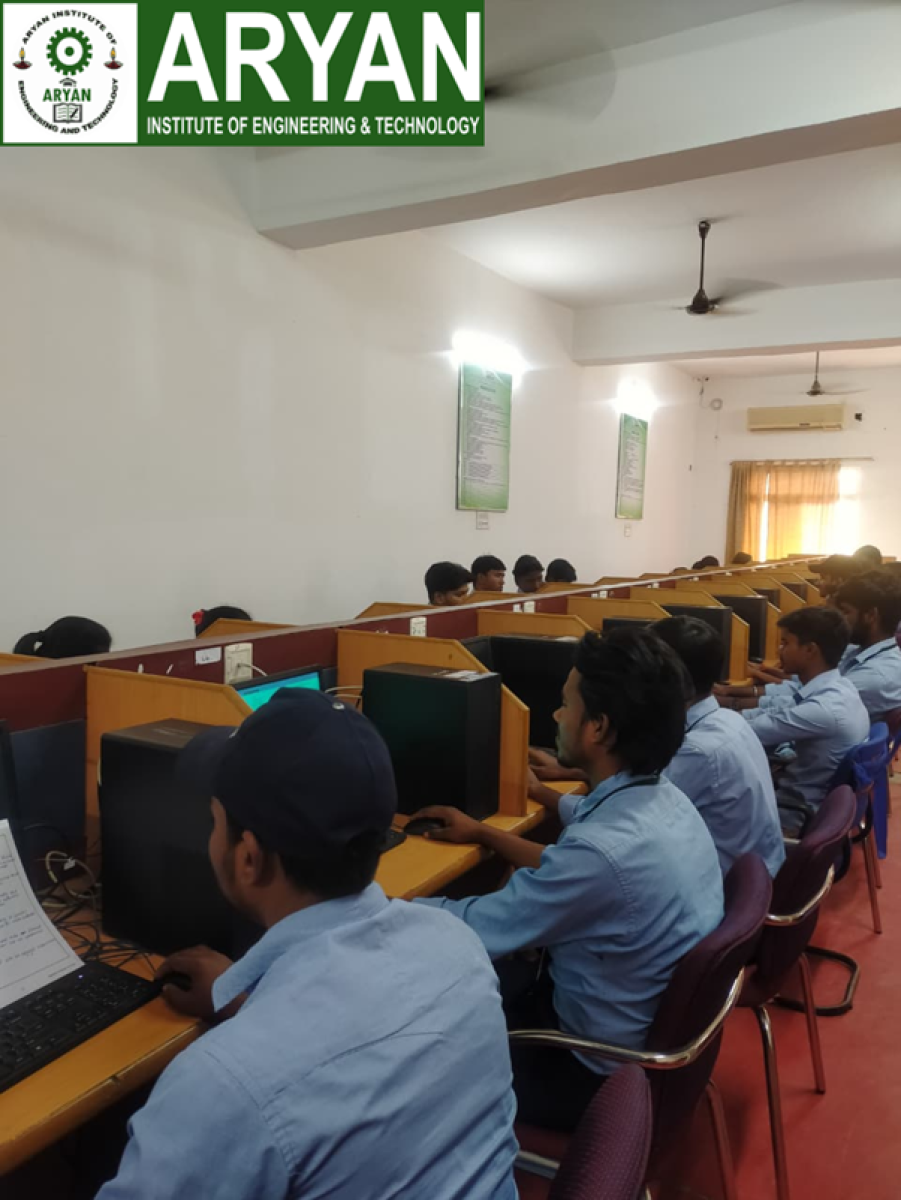
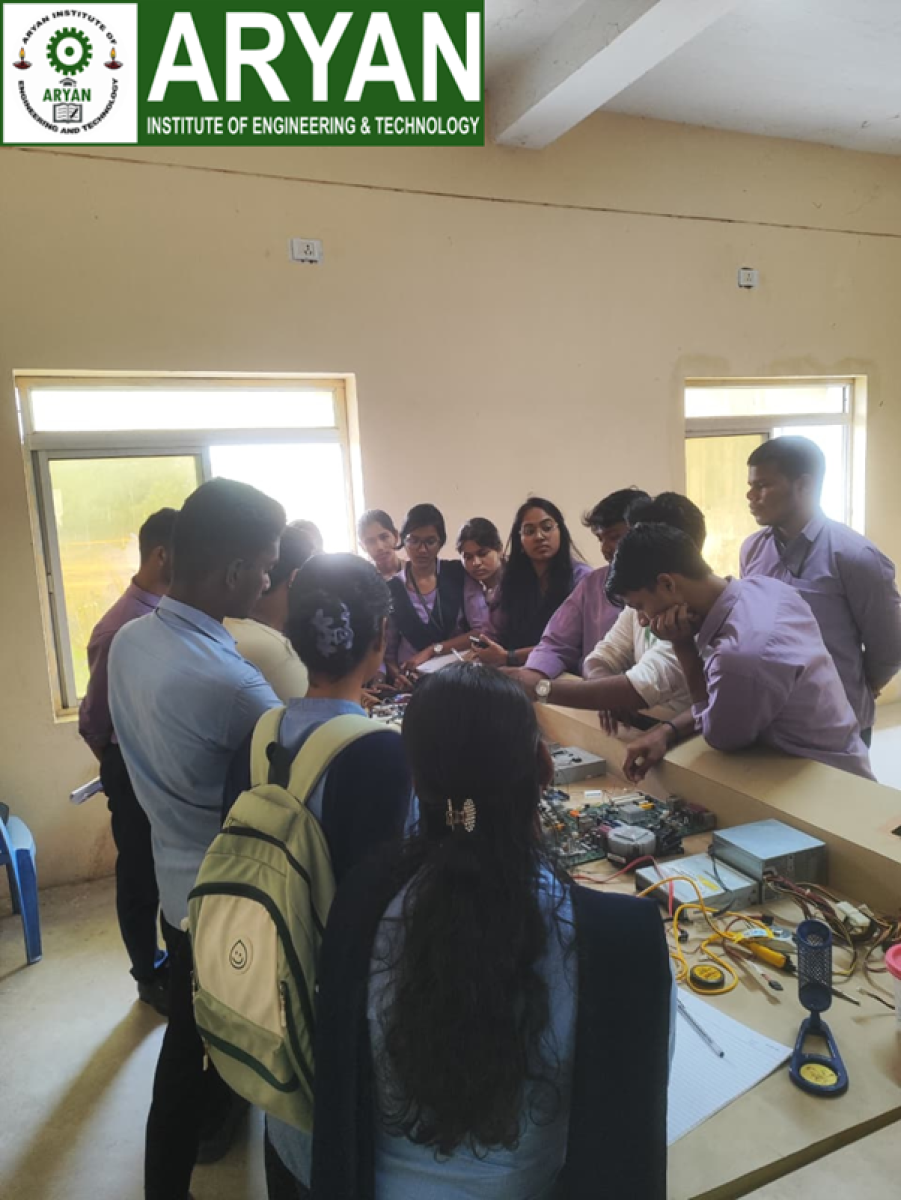
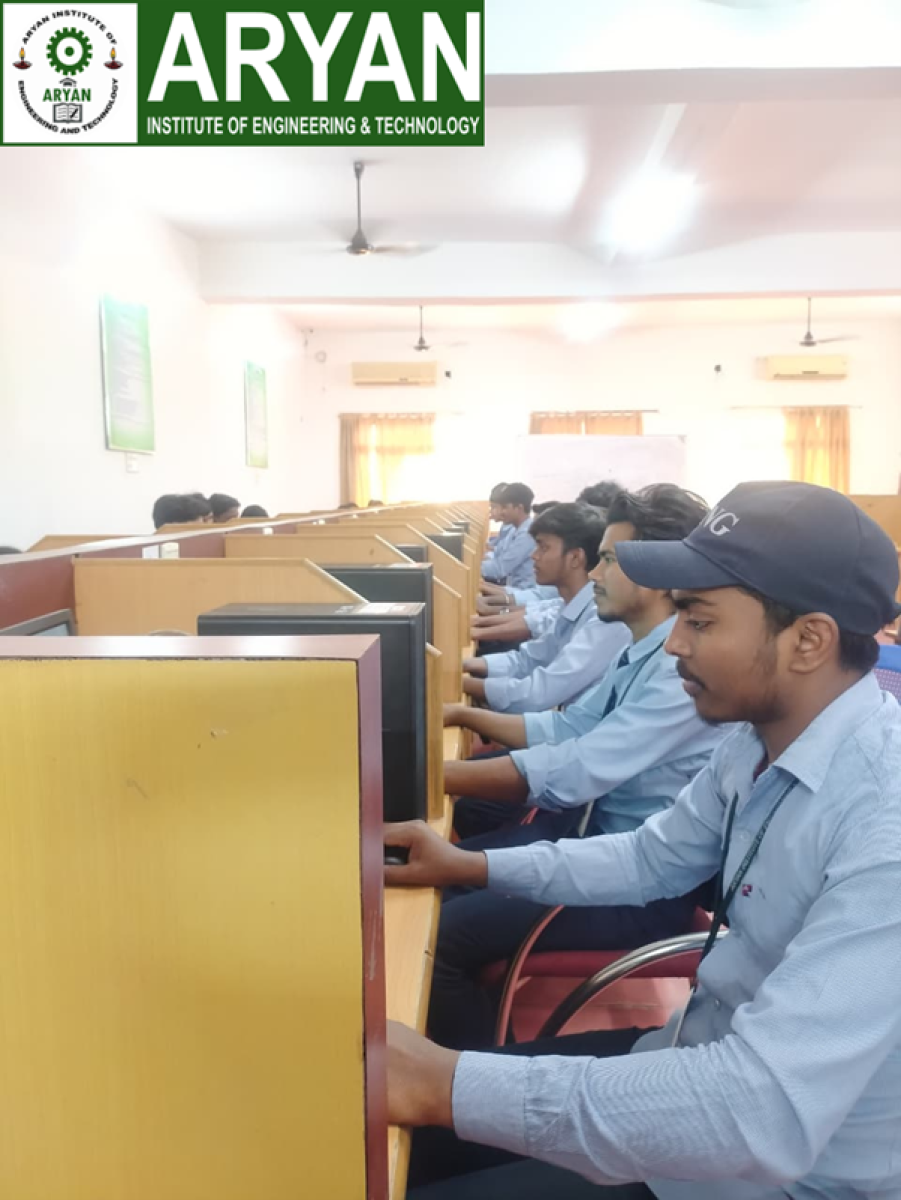
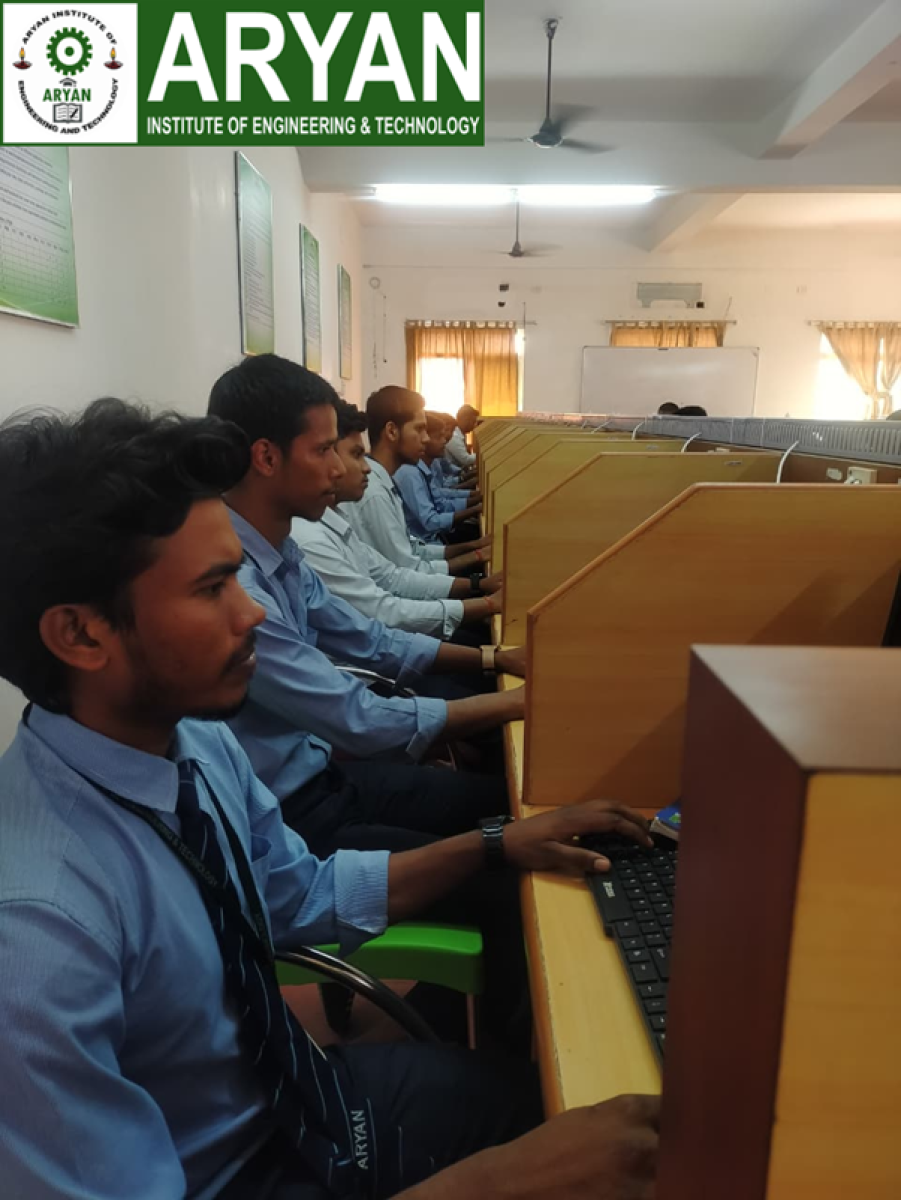
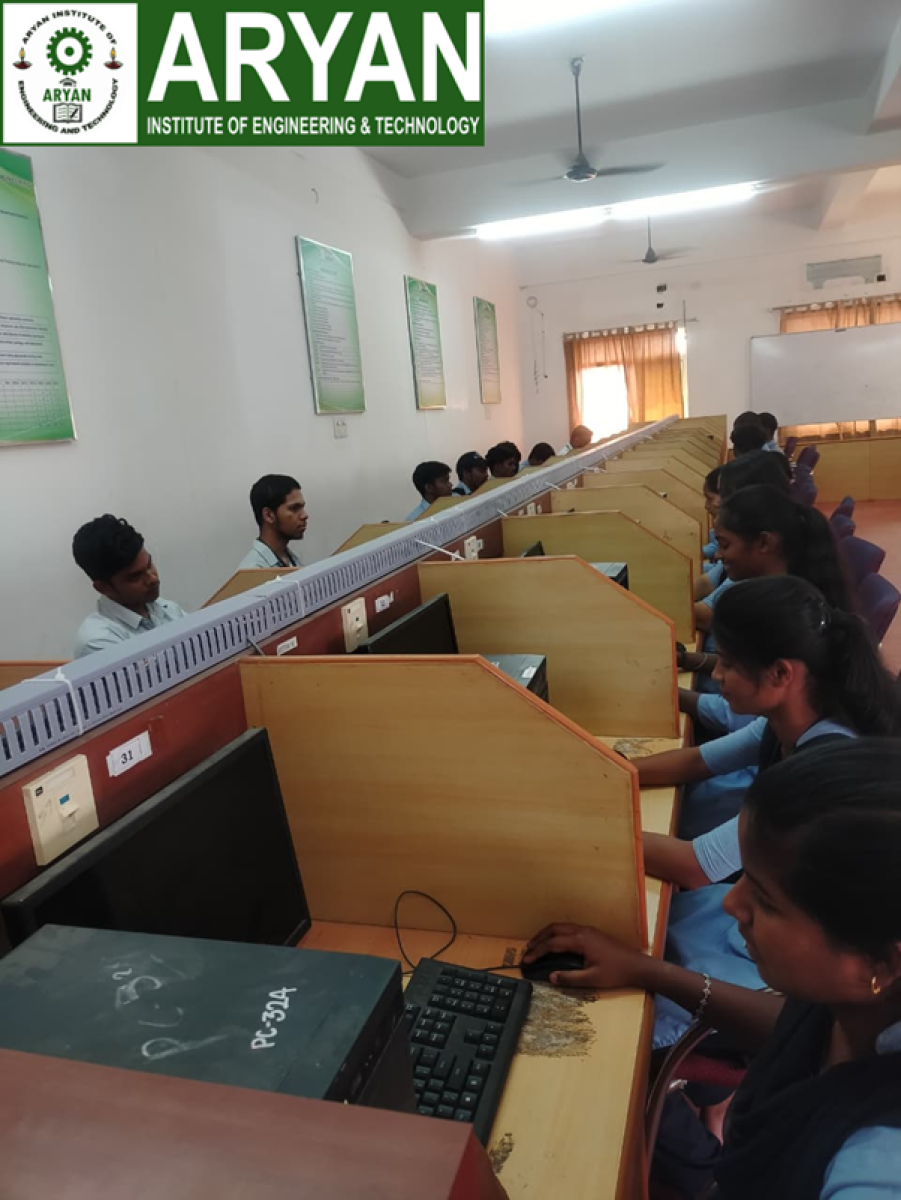
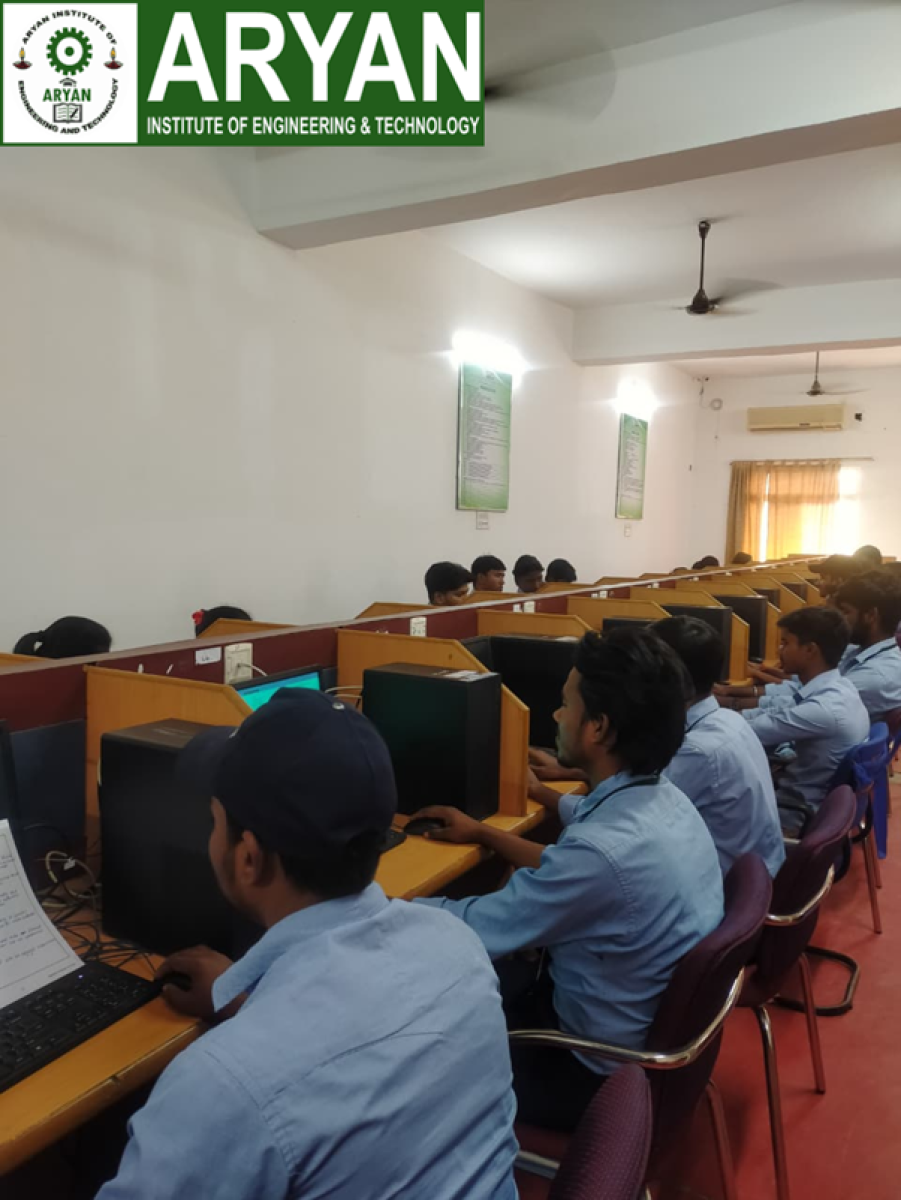
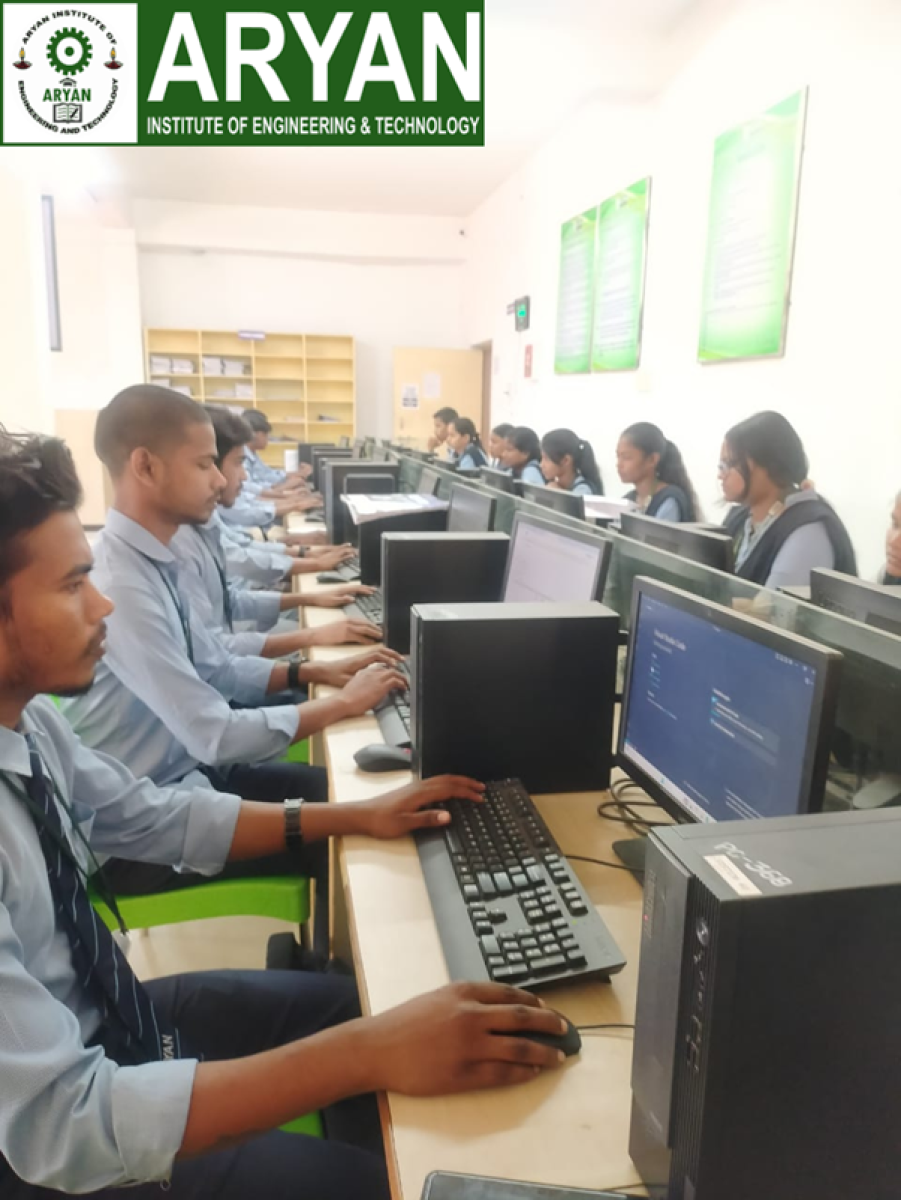
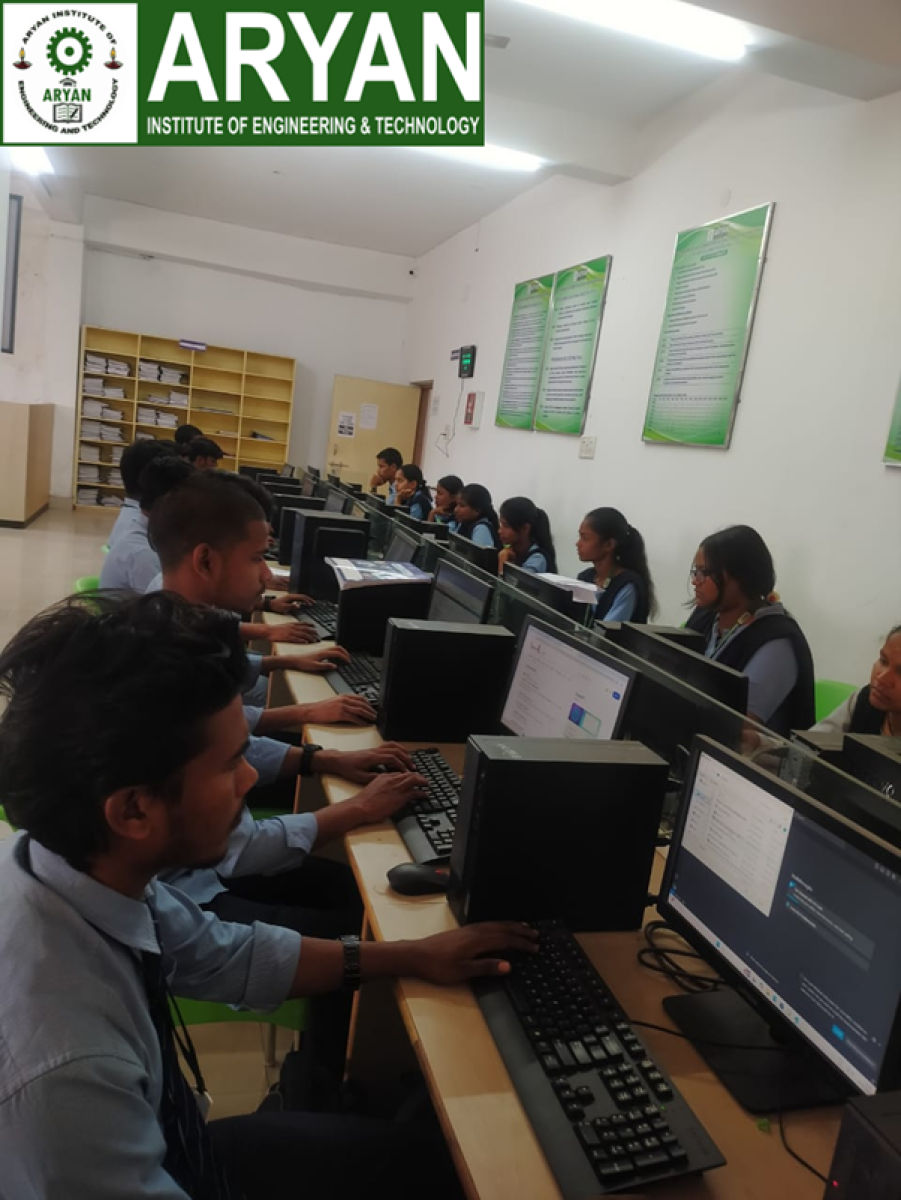
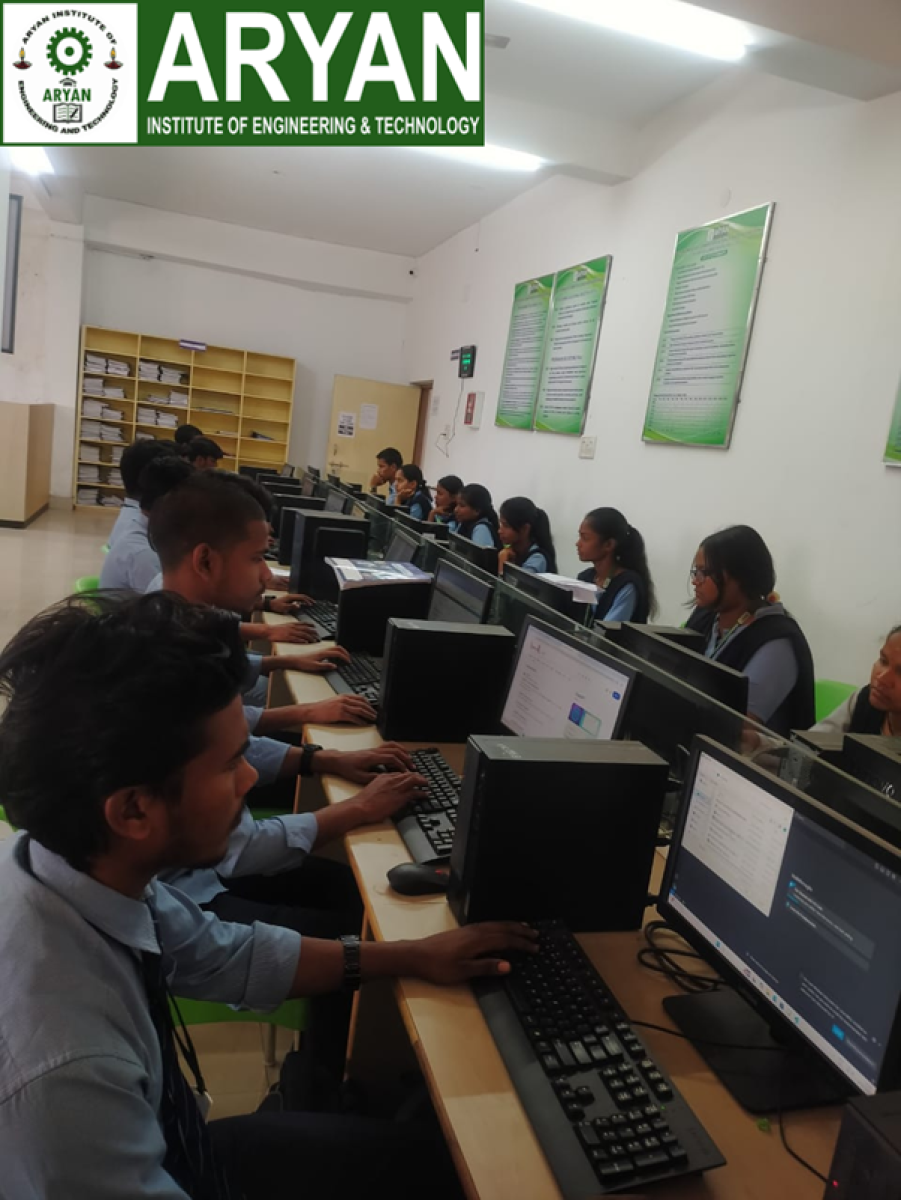
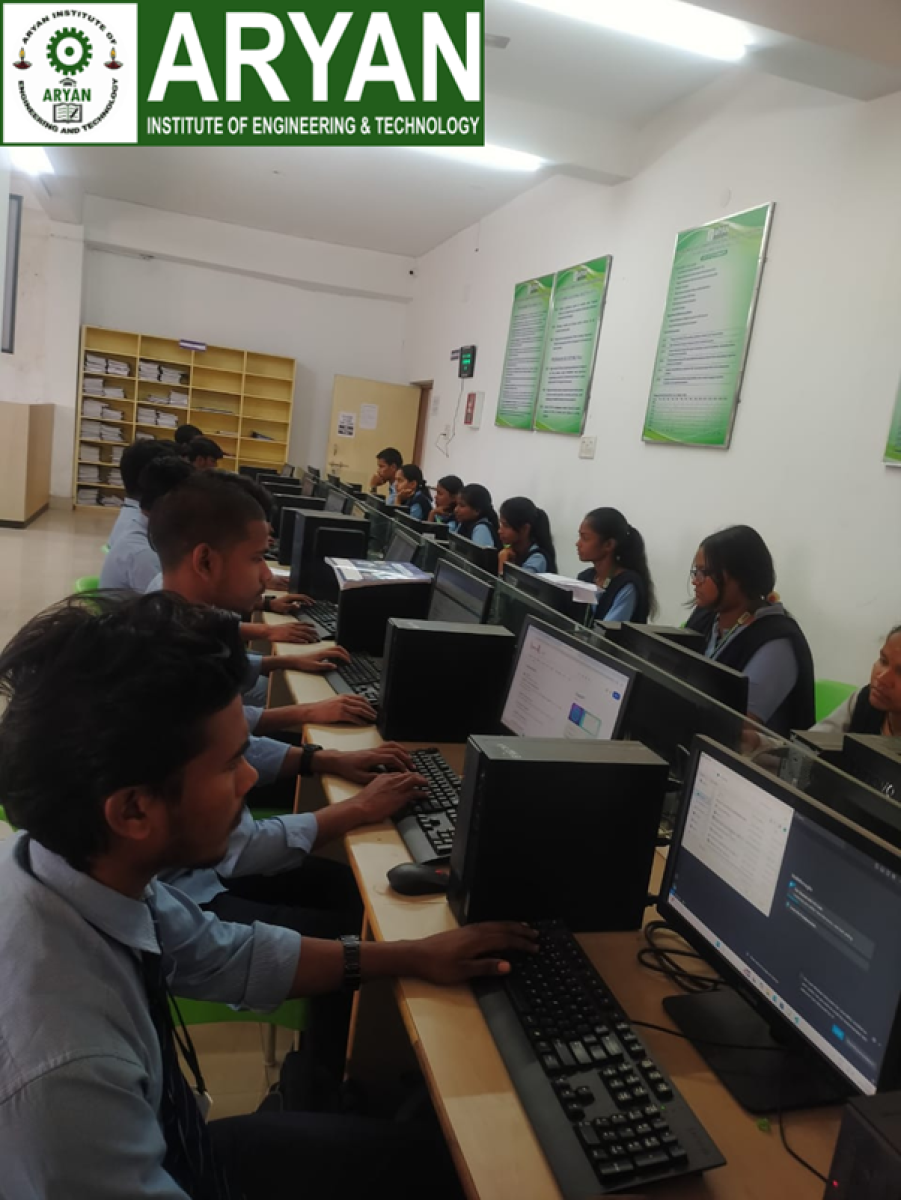
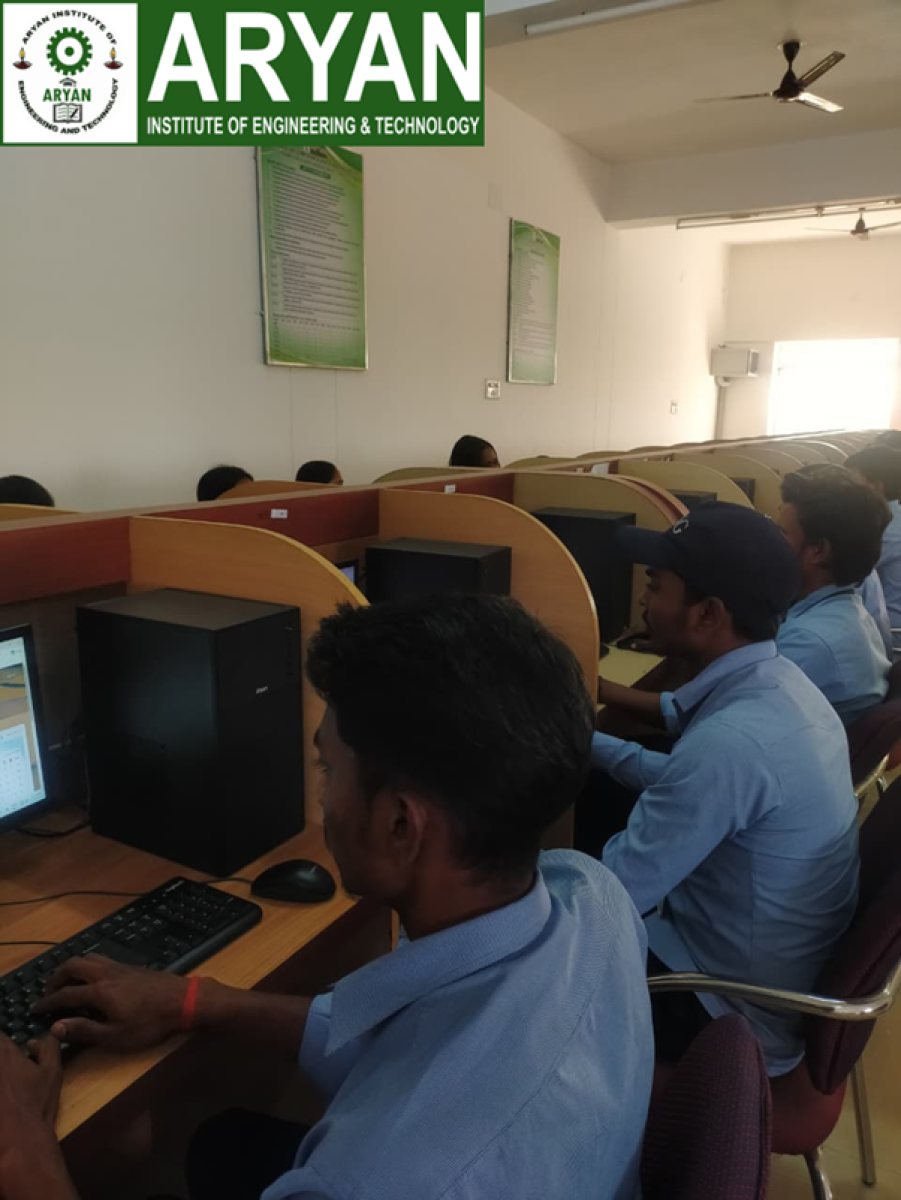
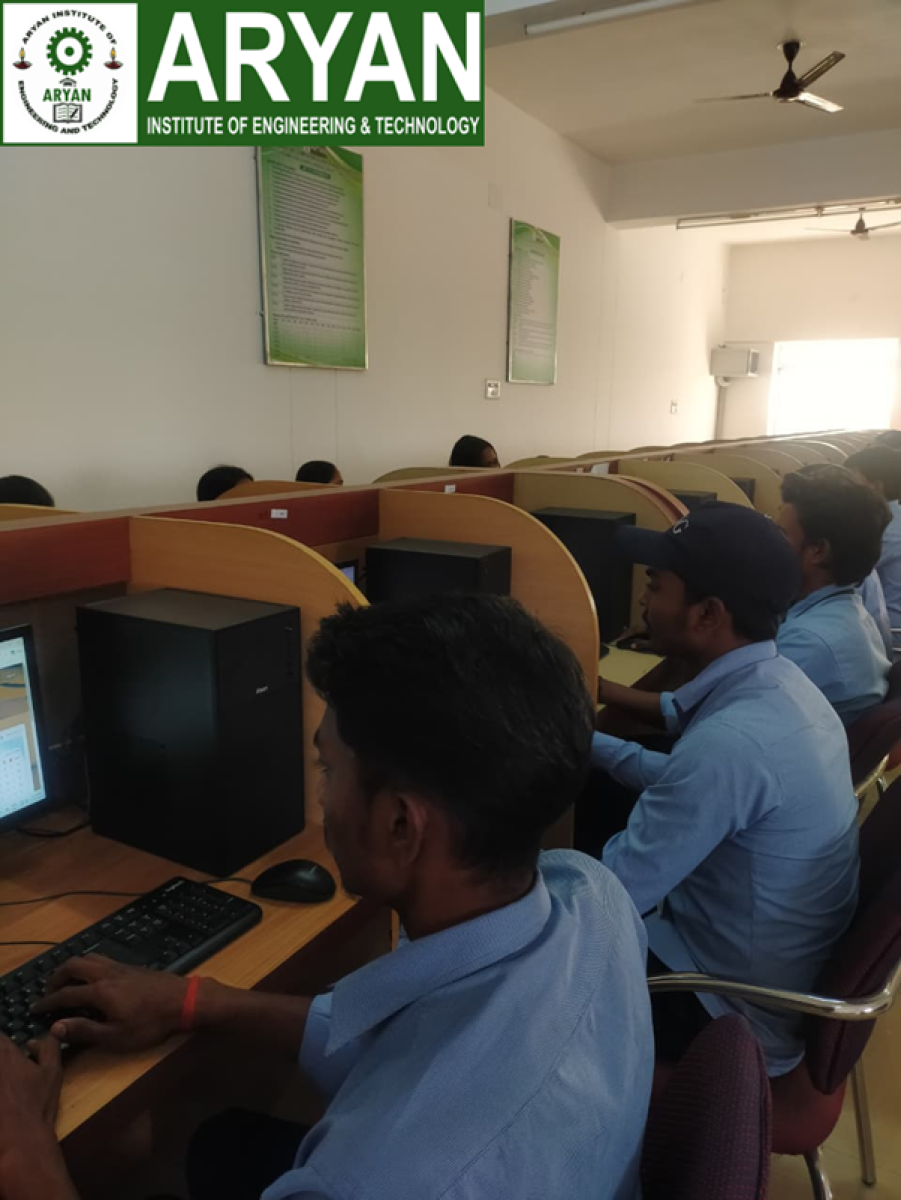
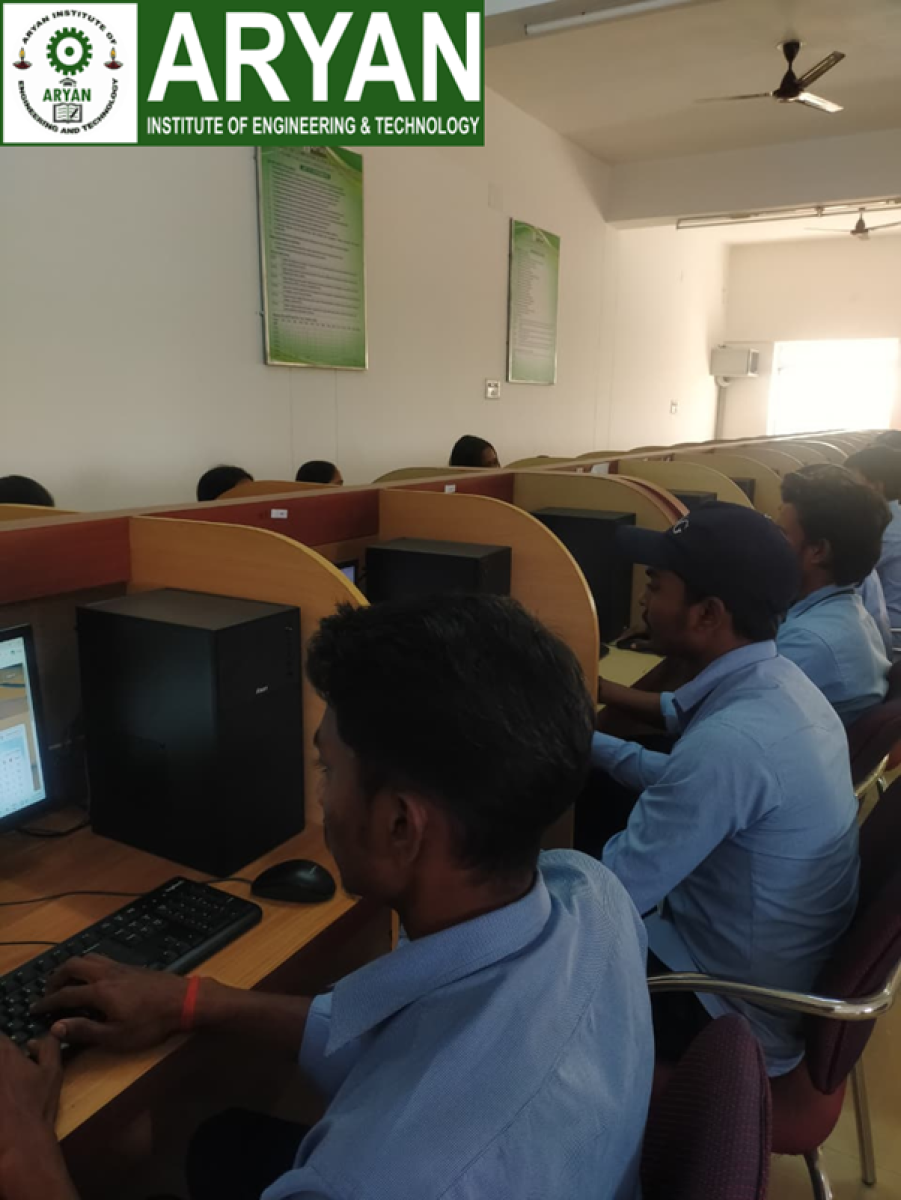
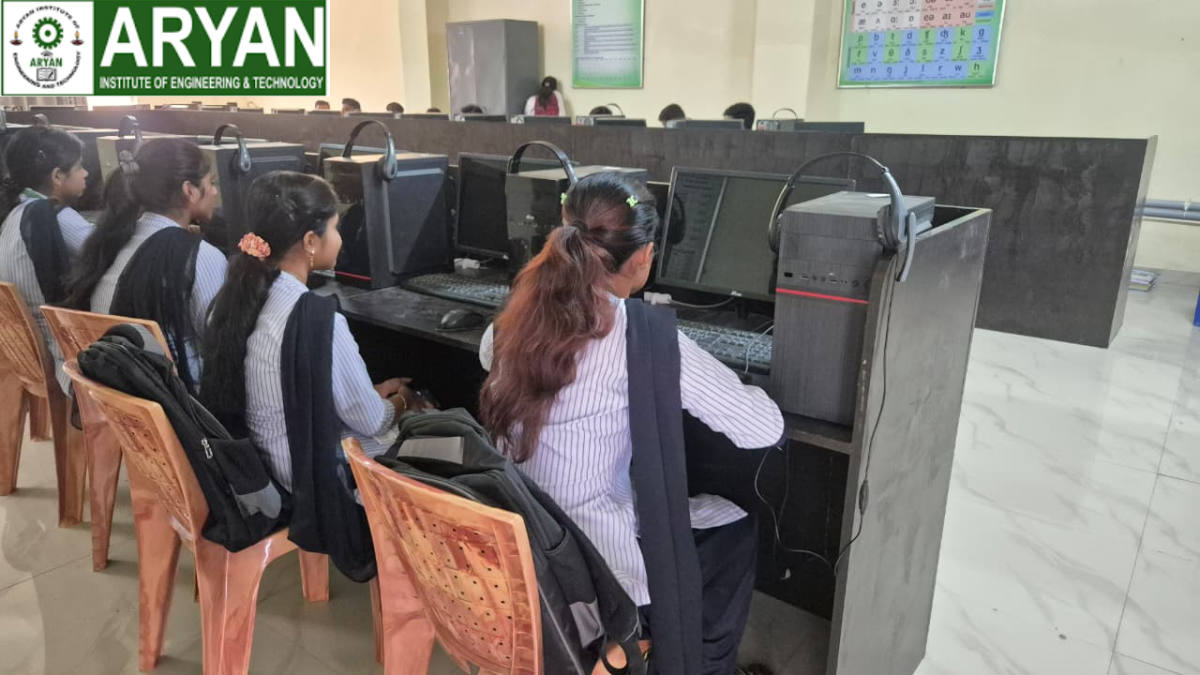
The Computer Science & Engineering Department became operational in the year 2009. AIET, one of the Best computer science engineering colleges in Bhubaneswar, offers courses like B.tech,M.tech, MCA& Diploma as per guide line of AICTE,BPUT and SCTE&VT,Government of Odisha. The department has taken several initiatives to bridge the gap between industry and academia by conducting several training and certification programs such as DB2, Android, Oracle, .NET, SAP to name a few.The department has also AI/ML & 3D printing as Centre of Excellence Lab. It has its own Software Development Centre which has significantly contributed for the development of CMS (College Management System) and is effectively operational now. Currently Department of CSE is enriched with scholar faculties. They not only contribute their knowledge to build vibrant academics, but also utilize their skills to apply the science of computing to solve real life research problems. The department lays stress on the application based aspects through laboratories, seminars, group discussions, viva-voce and project work, keeping pace with the growth in Computer Technology. It has SDL laboratory as its best practice initiative to enrich the students with practical knowledge.
HOD Message
Welcome to the Department of Computer Science and Engineering at Aryan Institute of Engineering and Technology, Bhubaneswar, Odisha. In today’s digital era, we cannot imagine the world without computing technologies, as software systems, intelligent devices, and data-driven solutions have become an integral part of our daily lives. The Department focuses on equipping students with strong academic foundations in frontier areas of computer science and preparing them to confidently address real-world technological challenges.
The Department has a dynamic blend of young, energetic, and highly experienced regular and visiting faculty members, many holding Ph.D. degrees from reputed universities. Our faculty demonstrate exceptional dedication and enthusiasm toward quality teaching and advanced research.
The Department faculty possess strong expertise in emerging research domains such as Artificial Intelligence, Machine Learning, Data Science, Cybersecurity, Cloud Computing, Internet of Things (IoT), Software Engineering, and Blockchain Technologies. Faculty members actively pursue research projects and publish their work in reputed national and international journals. The Department regularly organizes workshops, seminars, technical talks, and faculty development programs to enhance the research and technical competencies of both students and faculty members. Students are strongly encouraged to implement innovative ideas and research projects with the guidance of expert mentors and the support of well-equipped computing laboratories.
At present, the Department offers a four-year undergraduate programme (B.Tech) in Computer Science and Engineering. The programme provides diverse career opportunities in IT industries, software development companies, government organizations, research and development institutions, multinational corporations, startups, data analytics firms, cybersecurity agencies, and public sector undertakings.
With Warm Regards,
Head of the Department
Computer Science and Engineering
Vision of the Department
To create a distinctive culture, that could enable students and faculty members collaboratively approach to advance their knowledge about recent advancements in the domains of Computer Science and Engineering, such as Machine Learning, Data Science, IoT etc., and develop effective, implementable and environment friendly solutions towards solving the problems of present and future society.
Mission of the Department
- M1: To develop a distinctive environment where student, teacher can learn and acquire necessary knowledge and skills through effective collaboration and holistic interaction.
- M2: To create a culture of research and innovation through necessary communication with the premier institutions and contribute to the research community through high-quality publications in reputed journals.
- M3: To create a conducive ambience where students and faculty member can engage themselves for developing effective solution in the area of Machine Learning, Artificial Intelligence, Data Science, Deep Learning.
- M4: To generate a pool of professionals and entrepreneurs with the ability to address the industry and social problems through effective communication skills and should be able to provide required weightage towards societal and sustainable issue.
Program Educational Objectives (PEOs)
- PEO1: Achieve professional success by learning about Computer Science and Engineering and applying cutting-edge techniques and upcoming technologies.
- PEO2: Showcase, examine and develop creative solutions for the society's pressing issues.
- PEO3: Through career development and lifetime learning, demonstrate friendly communication skills and teamwork in the research and industry sectors.
Program Specific Outcomes (PSO)
- PSO1: Apply standard Software Engineering practices and strategies in real time software project development using open-source programming environment or commercial environment to deliver quality product for the organization success.
- PSO2: Design and develop computer programs/computer-based systems in the areas related to algorithms, networking, web design, cloud computing, IoT and Data Analytics of varying complexity.
- PSO3: Acquaint with the contemporary trends in industrial/ research settings and there by innovate novel solutions to existing problems.
Program Outcomes (POs)
- PO1 - Engineering Knowledge: Apply the knowledge of mathematics, science, engineering fundamentals, and an engineering specialization to the solution of complex engineering problems.
- PO2 - Problem Analysis: Identify, formulate, review research literature, and analyze complex engineering problems using principles of mathematics, natural sciences, and engineering sciences.
- PO3 - Design/Development of Solutions: Design solutions for complex engineering problems and design system components or processes that meet specified needs with appropriate consideration for public health and safety, cultural, societal, and environmental considerations.
- PO4 - Conduct Investigations of Complex Problems: Use research-based knowledge and research methods, including design of experiments, analysis, and interpretation of data, and synthesis of information to provide valid conclusions.
- PO5 - Modern Tool Usage: Create, select, and apply appropriate techniques, resources, and modern engineering and IT tools, including prediction and modeling, to complex engineering activities with an understanding of the limitations.
- PO6 - The Engineer and Society: Apply reasoning informed by contextual knowledge to assess societal, health, safety, legal, and cultural issues and the consequent responsibilities relevant to professional engineering practice.
- PO7 - Environment and Sustainability: Understand the impact of professional engineering solutions in societal and environmental contexts and demonstrate knowledge of, and need for, sustainable development.
- PO8 - Ethics: Apply ethical principles and commit to professional ethics and responsibilities and norms of engineering practice.
- PO9 - Individual and Team Work: Function effectively as an individual, and as a member or leader in diverse teams and in multidisciplinary settings.
- PO10 - Communication: Communicate effectively on complex engineering activities with the engineering community and society at large, such as being able to comprehend and write effective reports and design documentation, make effective presentations, and give and receive clear instructions.
- PO11 - Project Management and Finance: Demonstrate knowledge and understanding of engineering and management principles and apply these to one’s work, as a member and leader in a team, to manage projects and in multidisciplinary environments.
- PO12 - Life-Long Learning: Recognize the need for, and have the preparation and ability to engage in independent and life-long learning in the broadest context of technological change.